Entry-Level Hiring in the AI Era: What Employers Are Thinking (and Doing)



Entry-level jobs have long represented the first step on the career ladder toward economic stability and mobility. But today’s world, with its constantly changing job market and the rapid rise of artificial intelligence, is making their role in launching a career feel more uncertain. As AI automates some of the tasks historically done by entry-level workers, are those jobs starting to disappear?
To understand better how entry-level hiring is evolving in the early AI era — and to help inform how learners, educators, and policymakers prepare for a changing job market — Strada Institute for the Future of Work surveyed nearly 1,500 executives and senior talent leaders across the country, representing the full range of industries and firm sizes. We asked them key questions relevant to people starting their careers: Is AI increasing or decreasing entry-level hiring? How is it changing the skills and qualifications employers expect? And which credentials, skills, and experience matter most for success in an entry-level job?
Key findings
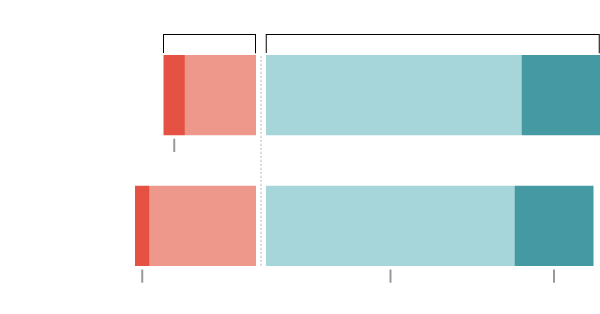
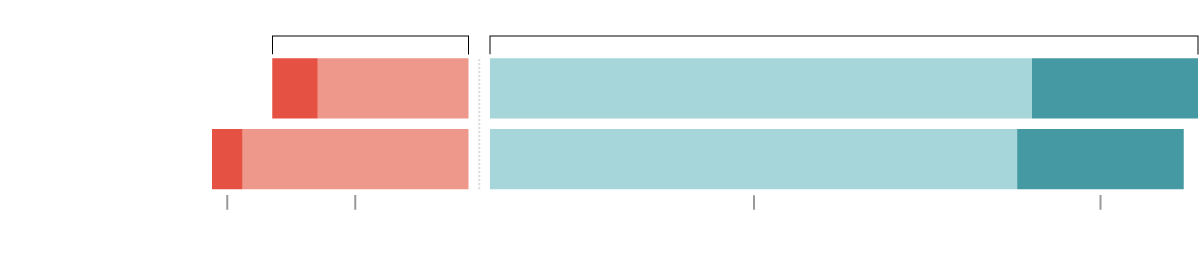
Impact of AI Use on Entry-Level Hiring Volume: 2025 and Expected 2026
Decrease
Increase
10%
36%
11%
2025
3%
Prediction
for 2026
15%
35%
11%
2%
Significantly
Moderately
Decrease
Increase
2025
3%
10%
36%
11%
Prediction
for 2026
15%
35%
11%
Significantly
2%
Moderately
Moderately
Significantly

Decrease
Increase
2025
3%
11%
10%
36%
Prediction
for 2026
11%
15%
35%
Significantly
2%
Moderately
Moderately
Significantly

Decrease
Increase
11%
2025
10%
36%
3%
Prediction
for 2026
11%
15%
35%
2%
Significantly
Moderately
Employers indicate that AI tools are more likely to increase than reduce entry-level hiring in their organization. Nearly three times (2.7 times) as many senior talent leaders expect AI use to increase entry-level hiring in 2026 as to decrease it, indicating a mixed and often positive near-term outlook.
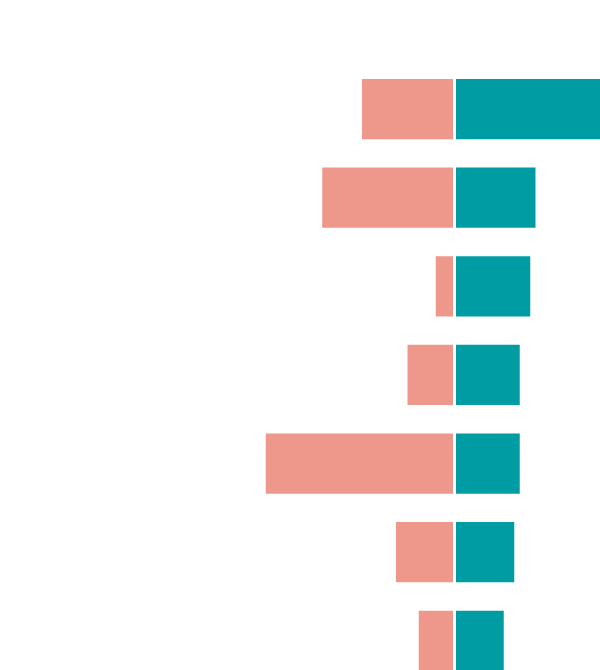
Single-Most Important Factor Anticipated to Impact the Number of Entry-Level Hires in 2026
Impact on hiring:
Negative
Positive
Greater use of AI in
your organization
16%
27%
Quantity of potential
qualified job candidates
23
15
Organizational
development capacity
3
14
Changing expectations
for pay, benefits, or
working conditions
8
12
Market factors or
economic conditions
33
12
10
11
Organizational change
6
9
Sourcing strategy

Impact on hiring:
Negative
Positive
16%
27%
Greater use of AI in your organization
Quantity of potential qualified
job candidates
23
15
3
14
Organizational development capacity
Changing candidate expectations
for pay, benefits, or working conditions
8
12
Market factors or
economic conditions
33
12
10
Organizational change
11
6
Sourcing strategy
9

Impact on hiring:
Negative
Positive
16%
27%
Greater use of AI in your organization
Quantity of potential qualified
job candidates
15
23
3
14
Organizational development capacity
Changing candidate expectations
for pay, benefits, or working conditions
8
12
Market factors or
economic conditions
33
12
10
11
Organizational change
6
9
Sourcing strategy

Impact on hiring:
Negative
Positive
Greater use of AI in
your organization
27%
16%
Quantity of potential
qualified job candidates
15
23
Organizational
development capacity
14
3
Changing expectations for pay,
benefits, or working conditions
12
8
Market factors or
economic conditions
12
33
11
Organizational change
10
9
Sourcing strategy
6
Greater use of AI is the most frequently cited significant positive driver of increased entry-level hiring. Among firms that reported at least one factor as significantly increasing entry-level hiring, 27 percent said greater use of AI in their organization was the most significant factor.
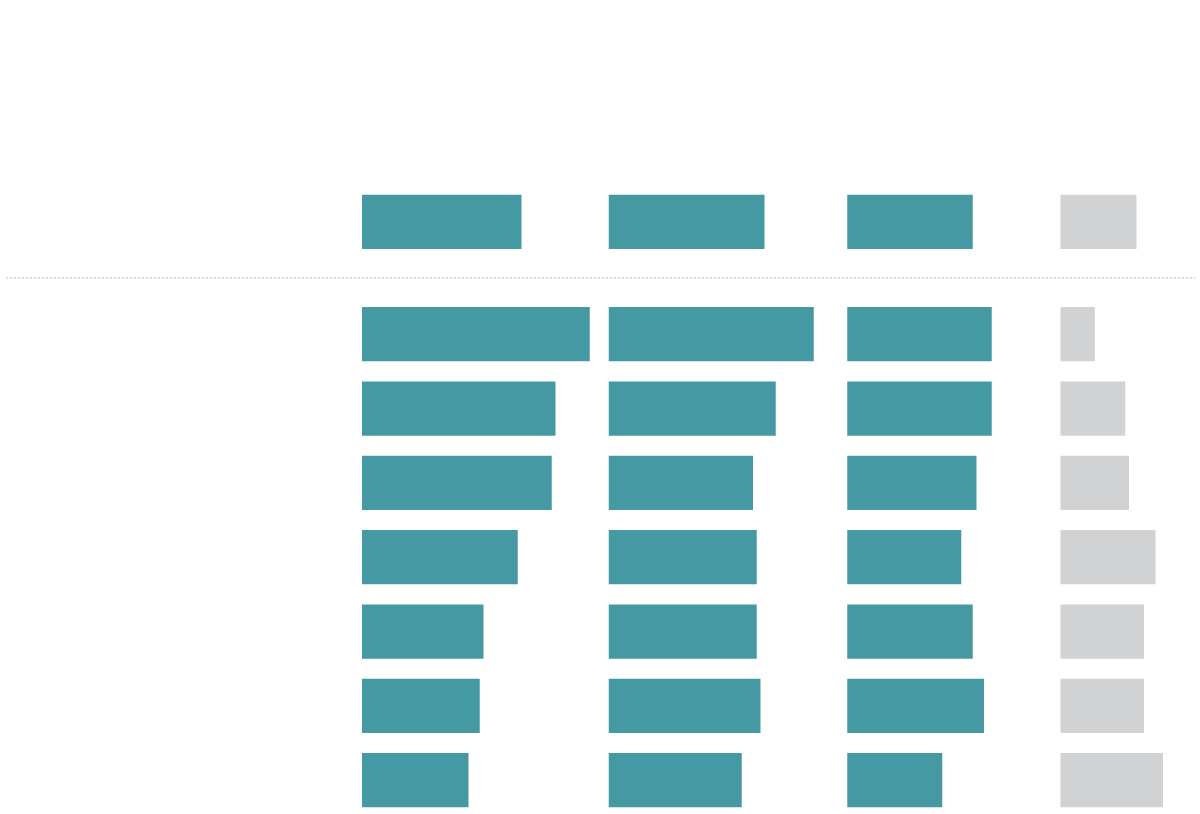
AI Impact on Entry-Level Job Tasks by Industry

AI tools have ...
... increased
analytical and
judgment-
based
responsibilities.
... reduced
foundational/
skill-building
tasks.
42%
41%
All industries
60
54
Tech
51
44
Manufacturing
Finance, real estate,
management,
and administrative
50
38
Trade and
transportation
39
41
Health, education,
and social services
32
39
Construction,
natural resources,
and utilities
31
40
Hospitality,
leisure, and arts
35
28
... reduced
routine or
administrative
tasks.
... had no
meaningful
change.
33%
20%
All industries
38
9
Tech
17
38
Manufacturing
Finance, real estate,
management,
and administrative
34
18
Trade and
transportation
30
25
Health, education,
and social services
33
22
Construction,
natural resources,
and utilities
36
22
Hospitality,
leisure, and arts
25
27
AI tools have ...
... increased
analytical and
judgment-based
responsibilities.
... reduced
routine or
administrative
tasks.
... reduced
foundational
or skill-building
tasks.
... had no
meaningful
change.
42%
41%
33%
20%
All industries
60
54
38
Tech
9
51
38
44
Manufacturing
17
Finance, real estate,
management, and admin.
50
38
34
18
Trade and
transportation
39
30
41
25
Health, education,
and social services
32
39
33
22
Construction, natural
resources, and utilities
31
40
36
22
Hospitality,
leisure, and arts
28
35
25
27

AI tools have ...
... increased
analytical and
judgment-
based
responsibilities.
... reduced
foundational
or skill-building
tasks.
41%
42%
All industries
60
54
Tech
51
44
Manufacturing
Finance, real estate,
management,
and administrative
50
38
Trade and
transportation
39
41
Health, education,
and social services
32
39
Construction,
natural resources,
and utilities
31
40
Hospitality,
leisure, and arts
28
35
... reduced
routine or
administrative
tasks.
... had no
meaningful
change.
33%
20%
All industries
9
38
Tech
17
38
Manufacturing
Finance, real estate,
management,
and administrative
34
18
Trade and
transportation
30
25
Health, education,
and social services
33
22
Construction,
natural resources,
and utilities
36
22
Hospitality,
leisure, and arts
25
27
AI tools have ...
... increased
analytical and
judgment-based
responsibilities.
... reduced
routine or
administrative
tasks.
... reduced
foundational
or skill-building
tasks.
... had no
meaningful
change.
42%
41%
33%
20%
All industries
60
54
38
9
Tech
51
44
38
17
Manufacturing
Finance, real estate,
management, and admin.
50
38
34
18
41
39
30
25
Trade and transportation
Health, education,
and social services
32
39
33
22
Construction, natural
resources, and utilities
31
40
36
22
28
35
25
27
Hospitality, leisure, and arts
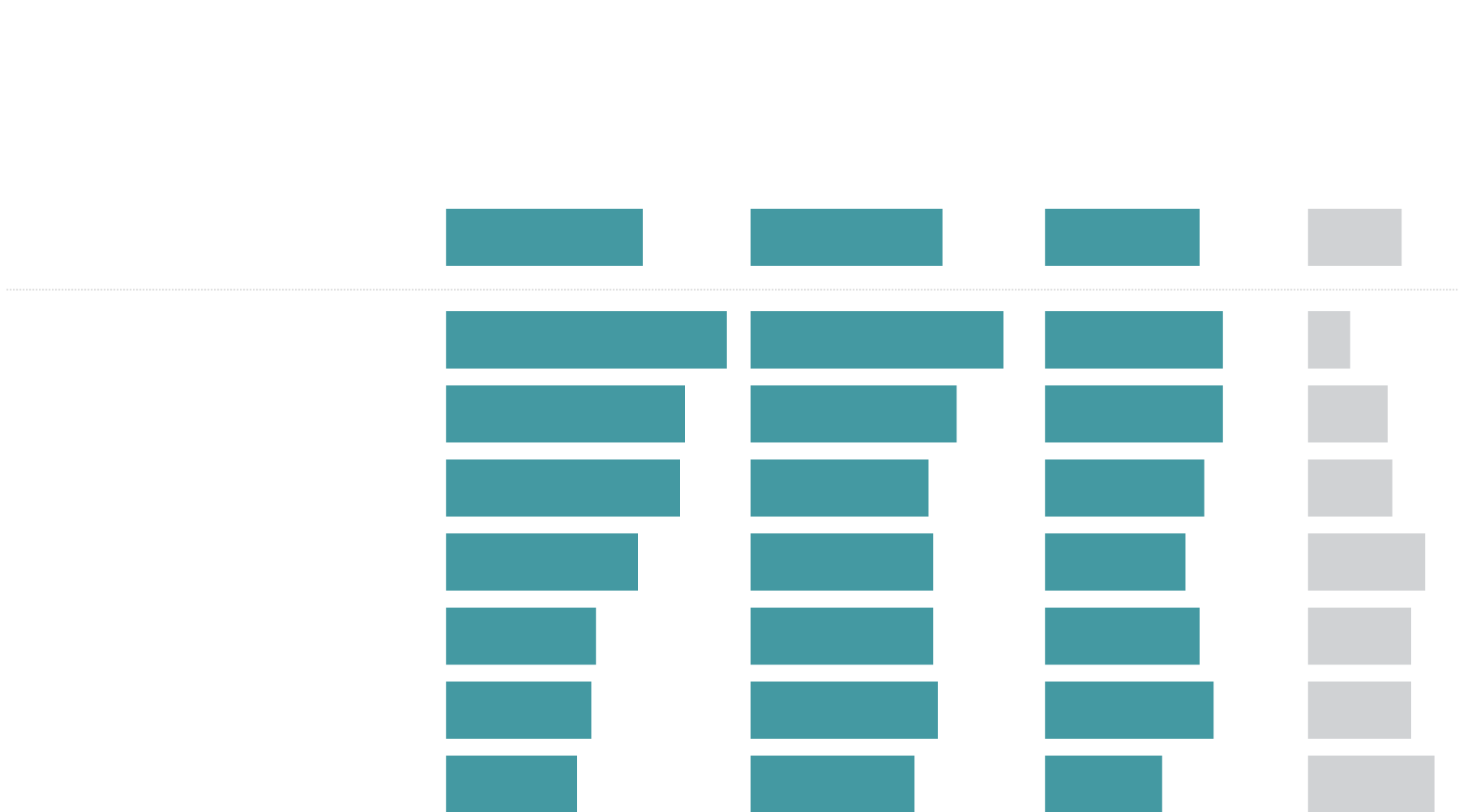
AI appears to be shifting entry-level work away from routine and administrative tasks toward more complex responsibilities. More than 40 percent of employers report that AI has increased the analytical responsibilities assigned to entry-level employees, while a nearly identical share say it has reduced routine administrative tasks.
Importance and Performance of Entry-Level College Graduate Hires by Skill Area

Average rating of ...
Performance
Importance
4.0
4.3
Critical thinking
4.0
4.3
Communication
4.0
4.2
Collaboration
3.9
4.2
Workplace readiness
3.8
4.2
Self-management
4.0
4.1
Technical proficiency
3.8
3.9
Quantitative reasoning
3.5
3.6
AI literacy
1
Lowest
2
3
4
5
Highest

Average rating of ...
Performance
Importance
Critical thinking
4.0
4.3
Communication
4.0
4.3
Collaboration
4.0
4.2
Workplace readiness
3.9
4.2
Self-management
3.8
4.2
Technical proficiency
4.0
4.1
Quantitative reasoning
3.8
3.9
AI literacy
3.5
3.6
1
Lowest
2
3
4
5
Highest

Average rating of ...
Performance
Importance
4.0
4.3
Critical thinking
4.0
4.3
Communication
4.0
4.2
Collaboration
3.9
4.2
Workplace readiness
3.8
4.2
Self-management
4.0
4.1
Technical proficiency
3.8
3.9
Quantitative reasoning
3.5
3.6
AI literacy
1
Lowest
2
3
4
5
Highest
Average rating of ...
Performance
Importance
4.0
4.3
Critical thinking
4.0
4.3
Communication
4.0
4.2
Collaboration
3.9
4.2
Workplace readiness
3.8
4.2
Self-management
4.0
4.1
Technical proficiency
3.8
3.9
Quantitative reasoning
3.5
3.6
AI literacy
1
Lowest
2
3
4
5
Highest
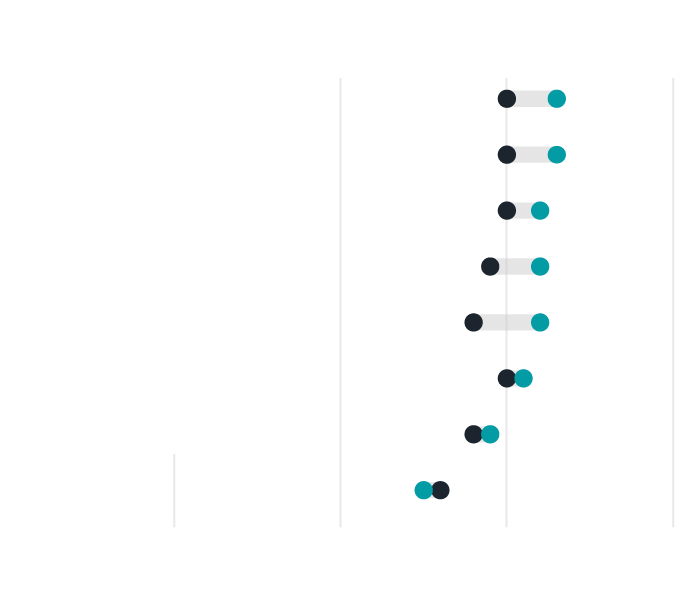
Critical thinking and communication are valued more highly in entry-level hires than AI literacy. Employers rate AI literacy as the least important skill evaluated, while critical thinking and communication rank as the most important.
Employers’ Average Rank of Preference of Profiles of Recent College Graduates
Average rank
of preference
Lowest
Highest
Employers would hire
a candidate who ...
5
4
3
2
1
... has direct work
experience in a similar
role, but not an internship.
... had an internship at a firm
in the same industry.
... has project-based work
experience relevant to the role.
... worked outside of their
industry, such as restaurant
or retail, and developed
transferable skills.
... worked at a prestigious
firm outside their industry.
... held a campus leadership
role and had volunteer
experience, but no formal
work history.
... has a 4.0 GPA and
academic awards,
but no work history.

Average rank of preference
Employers would hire
a candidate who ...
Lowest
Highest
5
4
3
2
1
... has direct work experience in a
similar role, but not an internship.
... had an internship at a firm
in the same industry.
... has project-based work
experience relevant to the role.
... worked outside of their industry,
such as restaurant or retail, and
developed transferable skills.
... worked at a prestigious firm
outside their industry.
... held a campus leadership role
and had volunteer experience,
but no formal work history.
... has a 4.0 GPA and academic
awards, but no work history.
Average rank
of preference
Lowest
Highest
Employers would hire
a candidate who ...
5
4
3
2
1
... has direct work experience in
a similar role, but not an internship.
... had an internship at a firm
in the same industry.
... has project-based work
experience relevant to the role.
... worked outside of their industry,
such as restaurant or retail, and
developed transferable skills.
... worked at a prestigious
firm outside their industry.
... held a campus leadership role
and had volunteer experience,
but no formal work history.
... has a 4.0 GPA and academic
awards, but no work history.
Average rank of preference
Lowest
Highest
Employers would hire
a candidate who ...
5
4
3
2
1
... has direct work experience in a
similar role, but not an internship.
... had an internship at a firm
in the same industry.
... has project-based work
experience relevant to the role.
... worked outside of their industry,
such as restaurant or retail, and
developed transferable skills.
... worked at a prestigious firm
outside their industry.
... held a campus leadership role
and had volunteer experience,
but no formal work history.
... has a 4.0 GPA and academic
awards, but no work history.
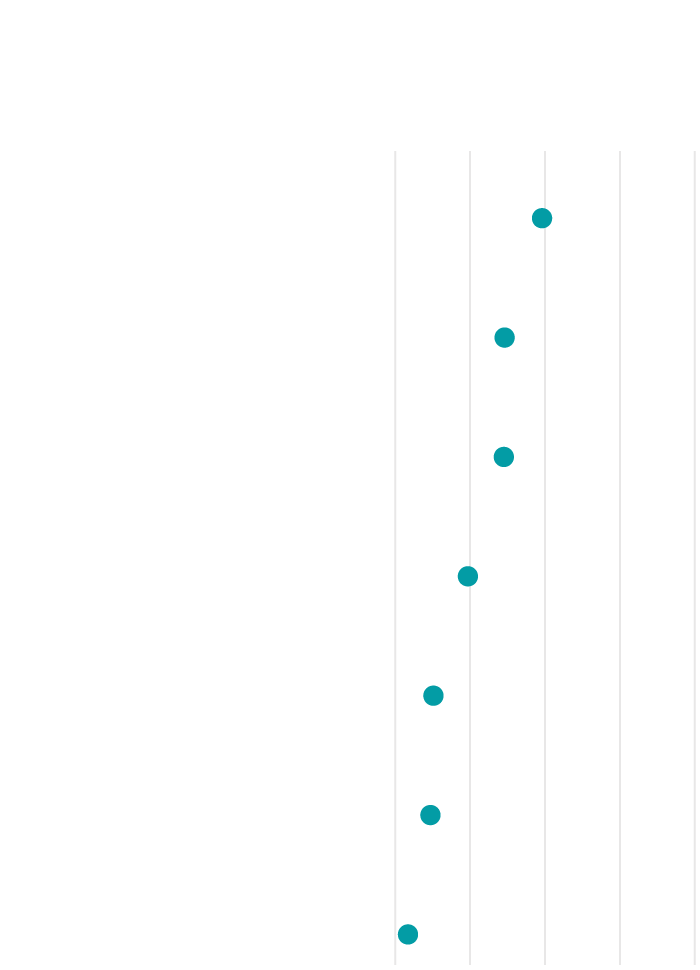
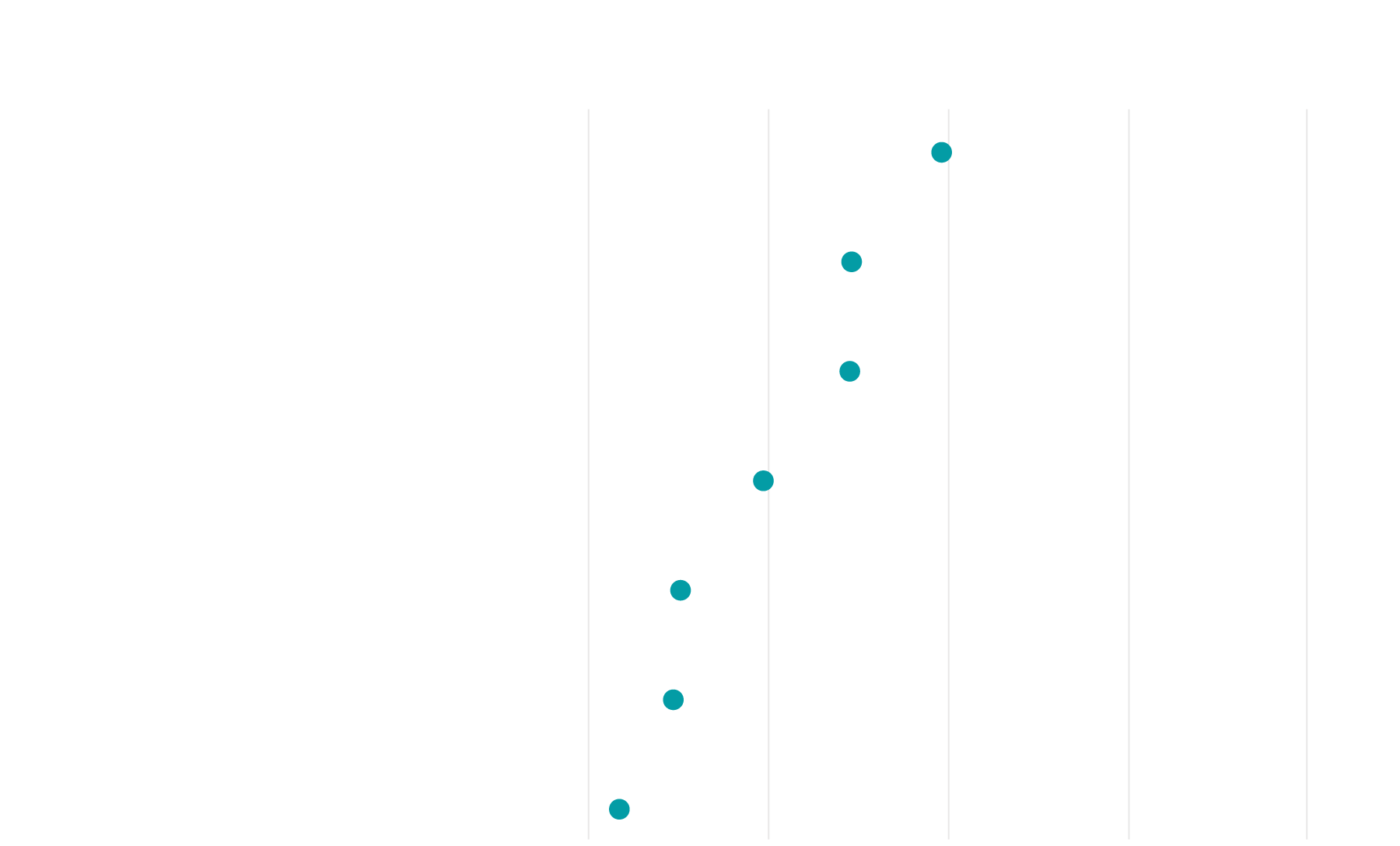
Work experience is the most valued indicator of career readiness. When evaluating candidate profiles, employers that hire recent college graduates rank those with related work experience — such as internships or project-based learning — as most desirable, while a candidate with a 4.0 GPA and academic awards, but no formal work experience, is least preferred.

Where does a state’s college-educated talent come from? Where do new grads go after commencement is over? A visual story about the migration patterns of working-age adults with college degrees.

A new Strada Institute for the Future of Work report shows how different states build college-educated talent pools, either by relying on their own high schools and universities or attracting talent from out of state.

Talent in Motion investigates interstate migration patterns of working-age adults with a bachelor’s or graduate degree and examines how these patterns differ by state, type of institution attended, level of educational attainment, major, occupation, and worker characteristics.
.jpg)
In this webinar, an expert panel will unpack Strada Institute for the Future of Work’s latest employer survey report, "Entry-Level Hiring in the AI Era: What Employers Are Thinking (and Doing)."

Large-scale systems-level change requires sustained attention and dedication, so when Strada looks back at progress made over the past year, we are inspired by moments that point toward a future in which every person — no matter where they start — can envision a way ahead that is filled with opportunity.


The recent enactment of Workforce Pell grants for short-term, occupational training highlights the need to address the question of whether noncredit occupational training pays off for students.
While overseeing the organization’s portfolio of affiliates, Cobert also leads multiyear partnerships with mission-aligned nonprofit organizations.

More than 300 education and industry leaders from 36 U.S. states came together to learn from one another about how states are connecting education after high school with economic opportunity.
.jpg)
The components are industry leaders that have the skilled workers they need, education and training providers that understand employers’ needs, and strong collaboration between those employers and educators.

States invest billions of dollars on education and training, but most can’t answer fundamental questions about which programs lead to good jobs and how well programs meet employer needs. By making enhancements to the workforce data they already collect, states could answer these questions and more.

One year after its release, Strada CEO and President Stephen Moret reflects on what has been learned so far and what to expect in the next iteration.

Strada CEO and President Stephen Moret testified before the House Committee on Education and Workforce about reauthorizing the nation’s main workforce development legislation — the Workforce Innovation and Opportunity Act, or WIOA.

In 2025, Strada’s look and brand image will change to reflect our commitment to working with focus, connection, curiosity, agility, and optimism — qualities that will guide us and undergird all our efforts.

Strada is extending an invitation for each institution to participate in the State Opportunity Index survey and to receive confidential and benchmarked results, free of cost.
.avif)
Strada’s agenda lays out ambitious steps for improving education and employment systems so students realize the economic value of their education and employers have the talent they need to fill jobs.

The State Opportunity Index was developed to help states build a stronger connection between education after high school and equitable pathways to opportunity so students realize the full value of their education and employers have the workforce they need to fill high-demand jobs.

'Colleges and universities, states, and our country can do more to help prepare students for the critical transition from college to the labor market.’

The report offers a comprehensive picture of how college graduates fare in the job market over their first decade of employment after college.

The former executive director of the Virginia Office of Education Economics has expertise with many workforce development topics.

MiraCosta College’s Increase Diversity, Equity, and Advancement in Biotechnology program, funded in part by a grant from Strada, includes a unique partnership between the college and two local biotech employers.

The community college learning lab and dental clinic is now a newly refurbished space where dental hygiene students refine their technique on mannequins outfitted with realistic incisors, molars, and cuspids. The clinic was remodeled through a partnership with Delta Dental of Rhode Island and supported by a $400,000 grant from Strada Education Foundation.
The two-year grants will support proven partnerships that connect learners to education and in-demand employment opportunities and strengthen regional economies.
A new study from Strada reveals a silver lining at a challenging time in the employment world.