How one state makes education-to-employment data more accessible
.jpg)
Nora Morris has spent her career using data to help people better understand complex systems. Today, she leads the longitudinal education-to-employment data system for the state of Minnesota, which tracks students from pre-kindergarten through employment to help gauge the effectiveness of education and training programs and target improvements that can help aspiring students.
But Morris’ career began in another complex data system: health care. In Morris’ earliest days as a data scientist (“before we even knew there was such a term,” she says), medical organizations were just beginning to promote national standards of care, and her job was to share with doctors how they compared to their peers.
Those interactions with physicians taught her critical lessons about how individuals engage with data. Some were politely interested but didn’t act on the information. Others reacted angrily and accused Morris of trying to tell them how to practice medicine.
But some physicians — the ones who were curious about how data could help them improve their approach and wanted to measure progress — validated Morris’ belief that data can help solve problems and shape the future.
“My whole career has been built around how we get people from fear and status quo and into embracing data,” said Morris, director of Minnesota’s State Longitudinal Education Data System, or SLEDS. “How do you take data and information and actually work with real life human beings to get them to use it when they're making decisions?”
The work Minnesota does through SLEDS was highlighted recently through the release of the 2025 State Opportunity Index, which centers on five research-backed keys to improving employment outcomes for learners and employers alike: Clear Outcomes, Quality Coaching, Affordability, Work-Based Learning, and Employer Alignment. Home to one of the nation’s leading education-to-employment data systems, Minnesota was featured for its work in Clear Outcomes.
“I’m a numbers person, but I have come to realize most people are not ... So how do we take those numbers and make them into something that people can absorb and understand intuitively?”
— Nora Morris, director of Minnesota's State Longitudinal Education Data System
At an October convening in Washington, D.C., where more than 300 education and industry leaders from 36 U.S. states learned from one another about how states are connecting education after high school with economic opportunity, Morris shared some lessons she has learned about making data more useful and approachable for policymakers and Minnesotans:
- Publicly accessible dashboards need to be available to anyone at any time and on any type of digital device.
Morris tries to keep the end user in mind when developing the interactive tools her agency creates with the data — and sometimes that means thinking about college-aged Minnesotans who awake at 2 a.m. wondering about their future and scrolling through their phones. “They can pull up our dashboards, and they can look at the results for what happens if you make different choices around different majors or different institutions,” Morris said. “It has to be available to them at all times.”
- In order to be effective, the data need to be presented in a visually appealing way that is simple to process and absorb.
As a data scientist, Morris relies on the expertise of others, such as neuroscientists and data visualization experts, to ensure the state tools are user-friendly. More than elite datasets that require specialized knowledge to interpret, the state’s dashboards are designed to be used by those who need them most. “I’m a numbers person, but I have come to realize most people are not,” Morris said. “So how do we take those numbers and make them into something that people can absorb and understand intuitively?”
- Because humans process data through stories, they need to be able to envision reality through the data.
Individuals “need to be able to see their own story in our data” in order to interpret what the data are saying, Morris said. Through Minnesota’s dashboards, individuals can analyze outcomes by high school, higher education institutions, race, ethnicity, gender, disability status — the sorts of demographic details that help them make sense of what the data reveal. “When they can see their own story, they can start to trust the data,” Morris said. “And only after they trust the data will they start to incorporate that into their decision-making.”

Individuals need control over their postsecondary education and employment records to navigate lifelong pathways across multiple educational experiences and careers.

Founded in 2018 by universities in North America and Europe, DCC was created to build a shared infrastructure for issuing, storing, displaying, and verifying digital credentials.
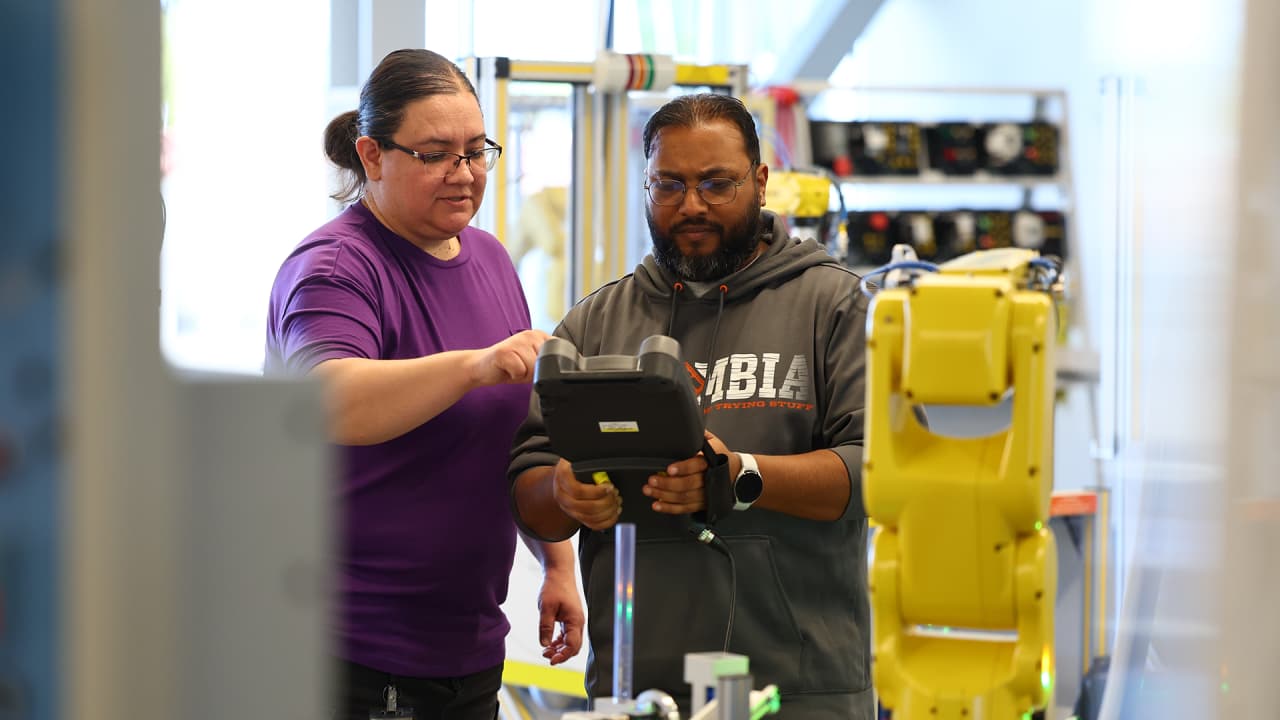
The newly launched Model Workforce Pell Data Framework offers a practical roadmap for a robust data infrastructure aligned across education and workforce systems.

Large-scale systems-level change requires sustained attention and dedication, so when Strada looks back at progress made over the past year, we are inspired by moments that point toward a future in which every person — no matter where they start — can envision a way ahead that is filled with opportunity.

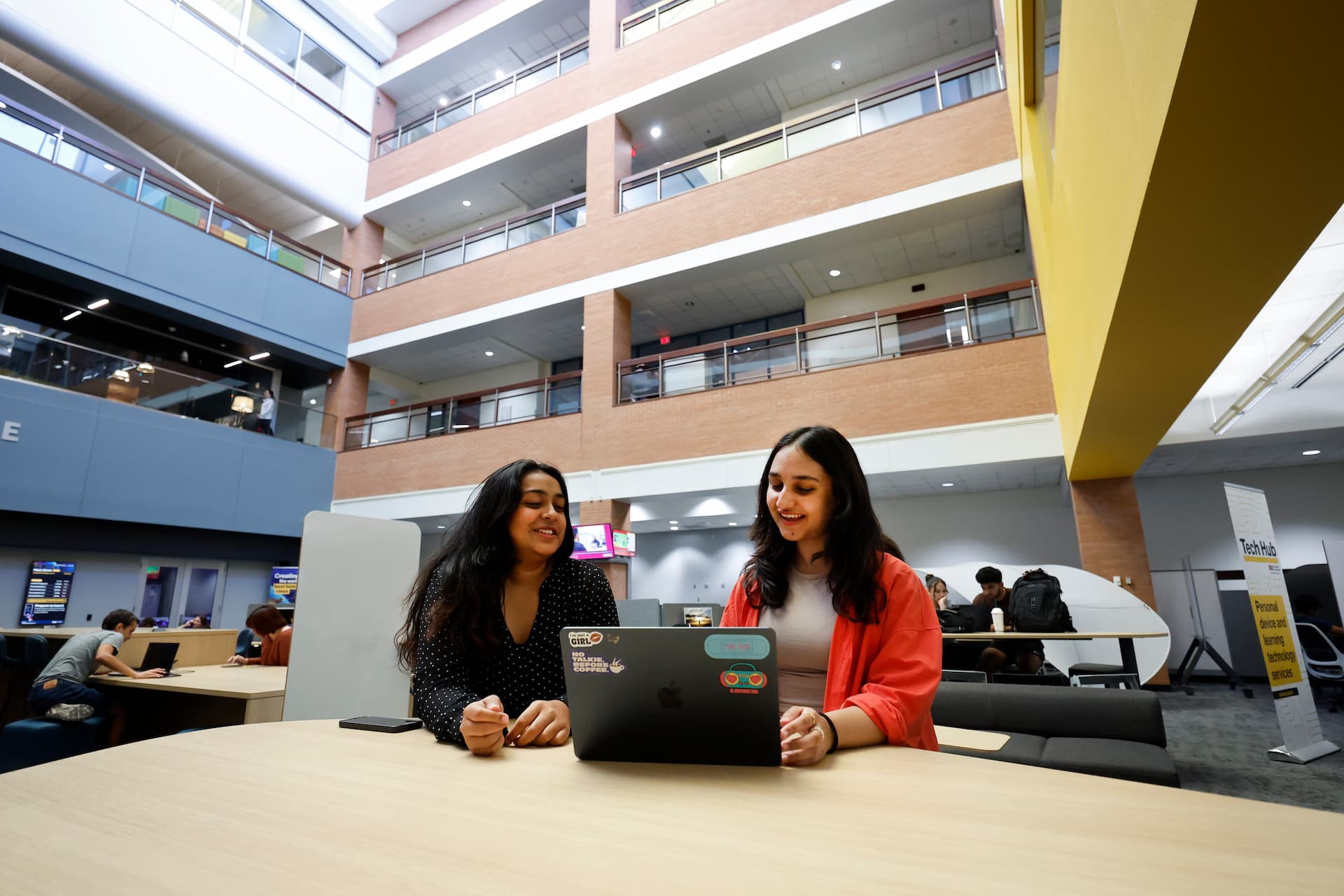
While overseeing the organization’s portfolio of affiliates, Cobert also leads multiyear partnerships with mission-aligned nonprofit organizations.

More than 300 education and industry leaders from 36 U.S. states came together to learn from one another about how states are connecting education after high school with economic opportunity.

The largest meeting of the Postsecondary Employment Outcomes Coalition brought together postsecondary leaders from colleges, universities, state agencies, and other institutions.

A new Roadtrip Nation documentary, “Rethinking Higher Ed,” asks: What is required to ensure the path provides the most value for each person? Where do students find guidance as they chose their path? How can we be sure every learner has a guide?

One year after its release, Strada CEO and President Stephen Moret reflects on what has been learned so far and what to expect in the next iteration.

How a student chooses a college major is often the result of personal factors, such as interests, strengths, or education and career guidance.

Strada CEO and President Stephen Moret testified before the House Committee on Education and Workforce about reauthorizing the nation’s main workforce development legislation — the Workforce Innovation and Opportunity Act, or WIOA.

The senior vice president of HBCU and engagement discusses how a $25 million investment created a community of students who learn from one another while celebrating the legacy of HBCUs.

In 2025, Strada’s look and brand image will change to reflect our commitment to working with focus, connection, curiosity, agility, and optimism — qualities that will guide us and undergird all our efforts.

Strada is extending an invitation for each institution to participate in the State Opportunity Index survey and to receive confidential and benchmarked results, free of cost.
.avif)
Strada’s agenda lays out ambitious steps for improving education and employment systems so students realize the economic value of their education and employers have the talent they need to fill jobs.

Strada worked closely with state data agencies and higher education executives to identify 10 critical elements that contribute to the capacity of state data systems.

The organization’s chief data ecosystem officer says education-to-employment data help individuals make informed decisions about college and workforce training.

The State Opportunity Index was developed to help states build a stronger connection between education after high school and equitable pathways to opportunity so students realize the full value of their education and employers have the workforce they need to fill high-demand jobs.

A report indicates both success and the need for improvement on the part of community colleges in meeting students’ varied goals

The credentialing program, supported by a grant from Strada, gives students training that makes them more attractive to prospective employers and graduate schools.
.avif)
Nine University of Texas campuses now offer microcredentials, funded in part from a Strada grant challenge.

A program partially funded by Strada’s Beyond Completion Challenge enables students to earn a valuable Google Career Certificate and take Adobe Certified Professional exams.

The University of Texas System puts programs in place at nine campuses for students to earn additional certificates and skills badges that should be desirable for employers.

The innovative leader brings an extensive track record of navigating through challenges to create effective education-to-employment data systems.
Three-year grants awarded to four institutions will support the expansion of programs designed to help learners succeed during and after completion of their degree or credential.
At a time of declining enrollment and growing societal uncertainty about higher education’s value, the views of alumni can help ensure that today’s students maximize all the benefits that college offers.
Phase 2 allows Taskforce on Higher Education and Opportunity members to seek up to $1.5 million ($6.25 million total) to expand efforts to connect education to employment.

As a field, higher education has experienced a continuing evolution in how to measure success. For nearly five decades success efforts were focused on access, followed by the past decade and a half pursuing completion, and the field now has a growing focus on the value of a degree and student outcomes beyond completion.
Strada announces the winners in the initial phase of a grant challenge aimed at helping higher education institutions improve career and life opportunities for several disadvantaged populations.