
Quality Coaching
%20(1).avif)
.avif)
A successful transition from postsecondary education into employment starts long before graduation.
Education-to-career coaching that includes guidance, timely information, and support can be a game changer for students. This kind of quality coaching and guidance helps students identify their talents and interests, choose career goals, map education pathways, and navigate challenges.
By the numbers

recent bachelor’s degree graduates of public colleges and universities received all three elements of personalized education-to-career coaching: guidance, timely information, and support.
of recent graduates who received education-to-career guidance have a first job that requires a degree, compared with 52 percent who did not.
.avif)
Why quality coaching matters
Individuals face a series of high-stakes decisions as they begin to explore education and career pathways, and every choice shapes future possibilities. Coaching and career guidance that incorporates career exploration, mentorship, and support with the job search is tied to stronger earnings and employment outcomes.

Increasing Student Access to Labor Market Information: Insights from Qualitative Research
By providing insight into employment opportunities, earnings, and workforce demand, labor market information helps students understand how educational pathways most consistently connect to career outcomes. This qualitative research is based on in-depth qualitative interviews with career services professionals and undergraduate students.
.avif)
Quality Coaching
This national overview of student experiences defines quality education-to-career coaching as consisting of three elements: guidance, timely information, and support. Students’ experiences across these elements vary, and this report examines the experiences of recent graduates.
How we support quality coaching
Strada partners with states, institutions, policymakers, foundations, and other organizations to promote greater access to quality education-to-career coaching.
Innovation in Career Services grants
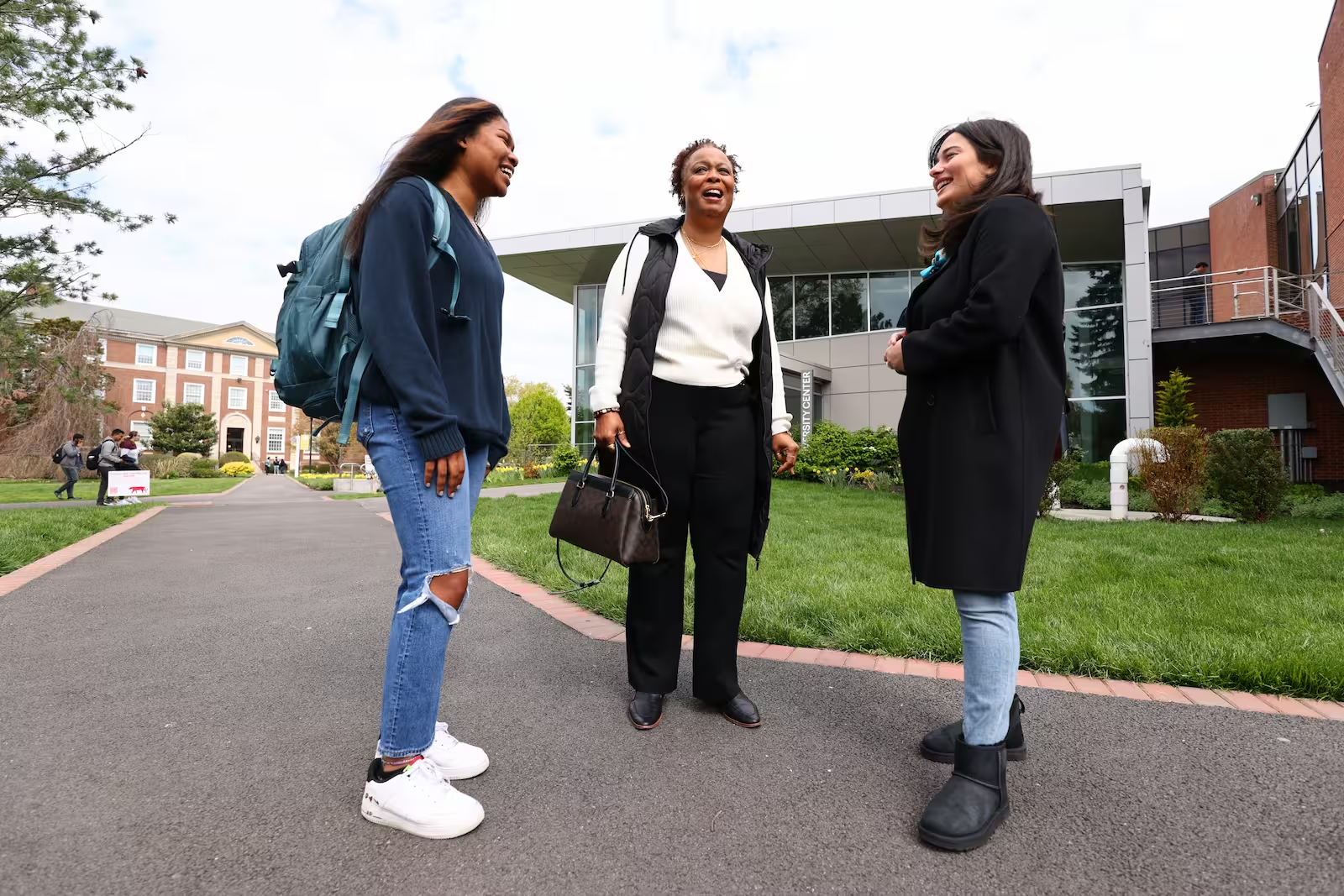
These grants support eight institutions in transforming their approach to career services through integrating career guidance into curriculum, providing students access to labor market information and outcomes data, and scaling career guidance throughout the institution.

National Association for College Admission Counseling
The organization is launching a Designing Your Life Fellowship that will train a cohort of high school counselors and college access advisors in a life-design curriculum rooted in Stanford University’s renowned framework. The curriculum has been adapted to help students make informed college and career decisions.

The Nonprofit-Higher Education Innovation Alliance
This national partnership network led by America’s Promise Alliance brings together colleges and leading nonprofit organizations that support first-generation college students on participating campuses. The standardized partnership model allows colleges to move beyond fragmented, one-off nonprofit relationships and toward coordinated, data-informed, and scalable student success strategies.
.jpg)
City University of New York
Support the City University of New York in implementing and scaling the CUNY Beyond model, which incorporates elements of quality coaching and work-based learning to create an integrated and comprehensive approach to students’ career readiness.

American Association of Colleges and Universities
Support state higher education systems through the American Association of Colleges and Universities in developing a coordinated and scalable approach to integrating career guidance and career readiness into curriculums.
How we measure progress
Providing education-to-employment coaching and guidance helps individuals achieve their education goals while positioning themselves for career success.
Strada developed the State Opportunity Index to help states measure the percentages of recent graduates that had access to the kind of education-to-career coaching and guidance that provides timely information and support. To establish a baseline for this important data, we conducted a national survey of individuals who graduated from public two- and four-year institutions between 2020 and 2023, as well as graduates of public four-year institutions from the four largest states: California, Florida, New York, and Texas.
The 2025 State Opportunity Index found that recent graduates who experienced quality education-to-career coaching are more likely to report that their first job required a college degree, and are more likely to report that their education had a positive impact on their well-being and helped them to achieve their goals. The survey also found that experiences with quality education-to-career coaching vary significantly by major.
Heading
Lorem ipsum dolor sit amet, consectetur adipiscing elit, sed do eiusmod tempor incididunt ut labore et dolore magna aliqua. Ut enim ad minim veniam, quis nostrud exercitation ullamco laboris nisi ut aliquip ex ea commodo consequat. Duis aute irure dolor in reprehenderit in voluptate velit esse cillum dolore eu fugiat nulla pariatur.

Lorem ipsum dolor sit amet, consectetur adipiscing elit, sed do eiusmod tempor incididunt ut labore et dolore magna aliqua. Ut enim ad minim veniam, quis nostrud exercitation ullamco laboris nisi ut aliquip ex ea commodo consequat. Duis aute irure dolor in reprehenderit in voluptate velit esse cillum dolore eu fugiat nulla pariatur.
Lorem ipsum dolor sit amet, consectetur adipiscing elit, sed do eiusmod tempor incididunt ut labore et dolore magna aliqua. Ut enim ad minim veniam, quis nostrud exercitation ullamco laboris nisi ut aliquip ex ea commodo consequat. Duis aute irure dolor in reprehenderit in voluptate velit esse cillum dolore eu fugiat nulla pariatur.
Heading
Lorem ipsum dolor sit amet, consectetur adipiscing elit, sed do eiusmod tempor incididunt ut labore et dolore magna aliqua. Ut enim ad minim veniam, quis nostrud exercitation ullamco laboris nisi ut aliquip ex ea commodo consequat. Duis aute irure dolor in reprehenderit in voluptate velit esse cillum dolore eu fugiat nulla pariatur.
Lorem ipsum dolor sit amet, consectetur adipiscing elit, sed do eiusmod tempor incididunt ut labore et dolore magna aliqua. Ut enim ad minim veniam, quis nostrud exercitation ullamco laboris nisi ut aliquip ex ea commodo consequat. Duis aute irure dolor in reprehenderit in voluptate velit esse cillum dolore eu fugiat nulla pariatur.
Lorem ipsum dolor sit amet, consectetur adipiscing elit, sed do eiusmod tempor incididunt ut labore et dolore magna aliqua. Ut enim ad minim veniam, quis nostrud exercitation ullamco laboris nisi ut aliquip ex ea commodo consequat. Duis aute irure dolor in reprehenderit in voluptate velit esse cillum dolore eu fugiat nulla pariatur.




FAQs
Quality coaching is education-to-career guidance that helps students reflect on their talents, choose a career goal, map pathways through education, and navigate challenges. It centers on three elements working together: guidance, timely labor market information, and support. This kind of coaching can change the trajectory of a student's career.
Quality coaching has three elements: guidance, timely information, and support. Guidance helps students set career goals and map education pathways. Timely information gives them current labor market data. Support helps them overcome obstacles along the way. Students benefit most when they receive all three together, not just one.
Quality coaching matters because it is tied to stronger earnings and employment outcomes. Students face a series of high-stakes decisions as they explore education and careers, and every choice shapes what comes next. Coaching that includes career exploration, mentorship, and job-search support helps learners secure college-level jobs and feel satisfied early in their careers.
Only about 1 in 5 recent bachelor's degree graduates of public colleges received all three elements of quality coaching: guidance, timely information, and support. Most students experience some elements but not the full combination that research links to the strongest education and career outcomes. Access remains far too low.
Yes. Among recent graduates who received education-to-career guidance, 69 percent landed a first job that required a degree, compared with 52 percent who did not. Graduates who experience quality coaching are also more likely to report that their education had a positive impact on their well-being and helped them reach their goals.
Quality coaching is measured through the State Opportunity Index, which tracks the share of recent graduates who had access to it. The baseline comes from a national survey of people who graduated from public two- and four-year institutions between 2020 and 2023, including four-year graduates in California, Florida, New York, and Texas.
Strada partners with states, institutions, and others to widen access to quality coaching. With an advisory group of education and workforce leaders, it developed the Principles for Quality Education-to-Career Guidance, which describe the core components of good coaching and stress the importance of making it available to every learner, not just a few.
The Innovation in Career Services grants are eight awards made to institutions designing, testing, and evaluating new approaches to career services. Created with the American Association of State Colleges and Universities and the Association of Public and Land-grant Universities, the grants align with the principles for quality education-to-career guidance.
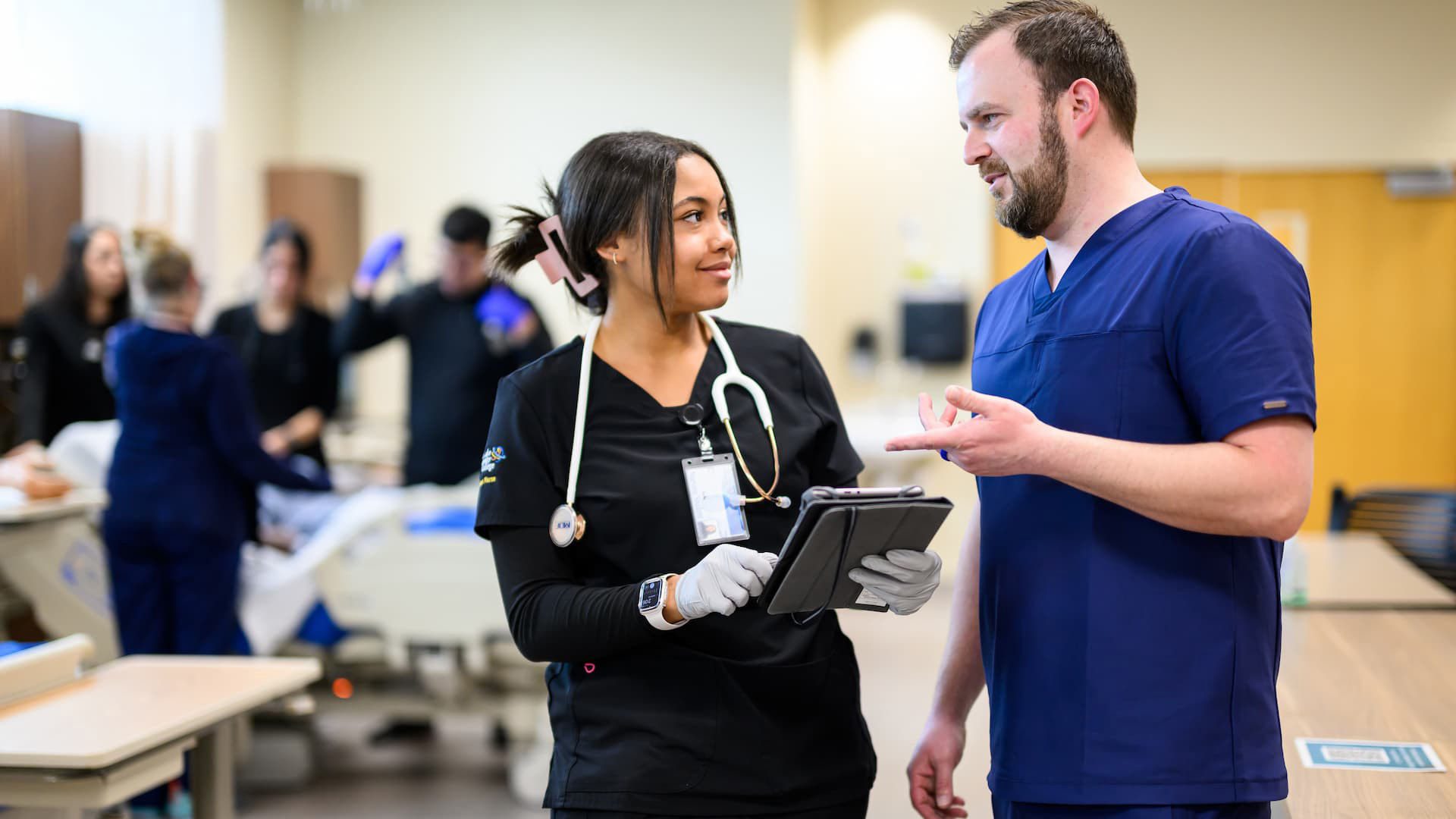
The analyses in this report explore variations in experiences across student populations and fields of study; the sources and channels through which students experience education-to-career guidance; and how quality coaching experiences are linked to student perceptions about other aspects of their education.

By providing insight into employment opportunities, earnings, and workforce demand, labor market information helps students understand how educational pathways most consistently connect to career outcomes. This qualitative research is based on in-depth qualitative interviews with career services professionals and undergraduate students.

.jpg)


