News & Insights
A new Strada grant aims to test and support the effectiveness of employer intermediaries, which can fill a critical gap between the learners and employers.
Work-based learning is linked to better early career outcomes, including higher earnings and greater likelihood of securing college-level employment. As part of the 2025 State Opportunity Index, states were benchmarked using student-reported participation in at least one of five types of paid work-based learning at public two- and four-year institutions: internships, apprenticeships, co-ops, practica, and undergraduate research experiences.

.jpg)


A new Roadtrip Nation documentary, “Rethinking Higher Ed,” asks: What is required to ensure the path provides the most value for each person? Where do students find guidance as they chose their path? How can we be sure every learner has a guide?

States invest billions of dollars on education and training, but most can’t answer fundamental questions about which programs lead to good jobs and how well programs meet employer needs. By making enhancements to the workforce data they already collect, states could answer these questions and more.

This year the Strada HBCU Initiative celebrates its fourth year — a milestone that includes the graduation of many students in the first cohort of Strada Scholars.

College costs and concerns about affordability are persistent barriers for individuals interested in pursuing an education after high school, with 77 percent of adults believing college is unaffordable and most people significantly overestimating the cost of public institutions, both two-year and four-year.

One year after its release, Strada CEO and President Stephen Moret reflects on what has been learned so far and what to expect in the next iteration.

How a student chooses a college major is often the result of personal factors, such as interests, strengths, or education and career guidance.

Strada CEO and President Stephen Moret testified before the House Committee on Education and Workforce about reauthorizing the nation’s main workforce development legislation — the Workforce Innovation and Opportunity Act, or WIOA.

The senior vice president of HBCU and engagement discusses how a $25 million investment created a community of students who learn from one another while celebrating the legacy of HBCUs.

The longtime insurance brokerage executive and Strada trustee begins his second term as board chair.

The institutions receiving the grants will develop innovative approaches to career services and share their knowledge and experiences with other schools.

In 2025, Strada’s look and brand image will change to reflect our commitment to working with focus, connection, curiosity, agility, and optimism — qualities that will guide us and undergird all our efforts.

Try a different search term or refine your filter selections.
Stories
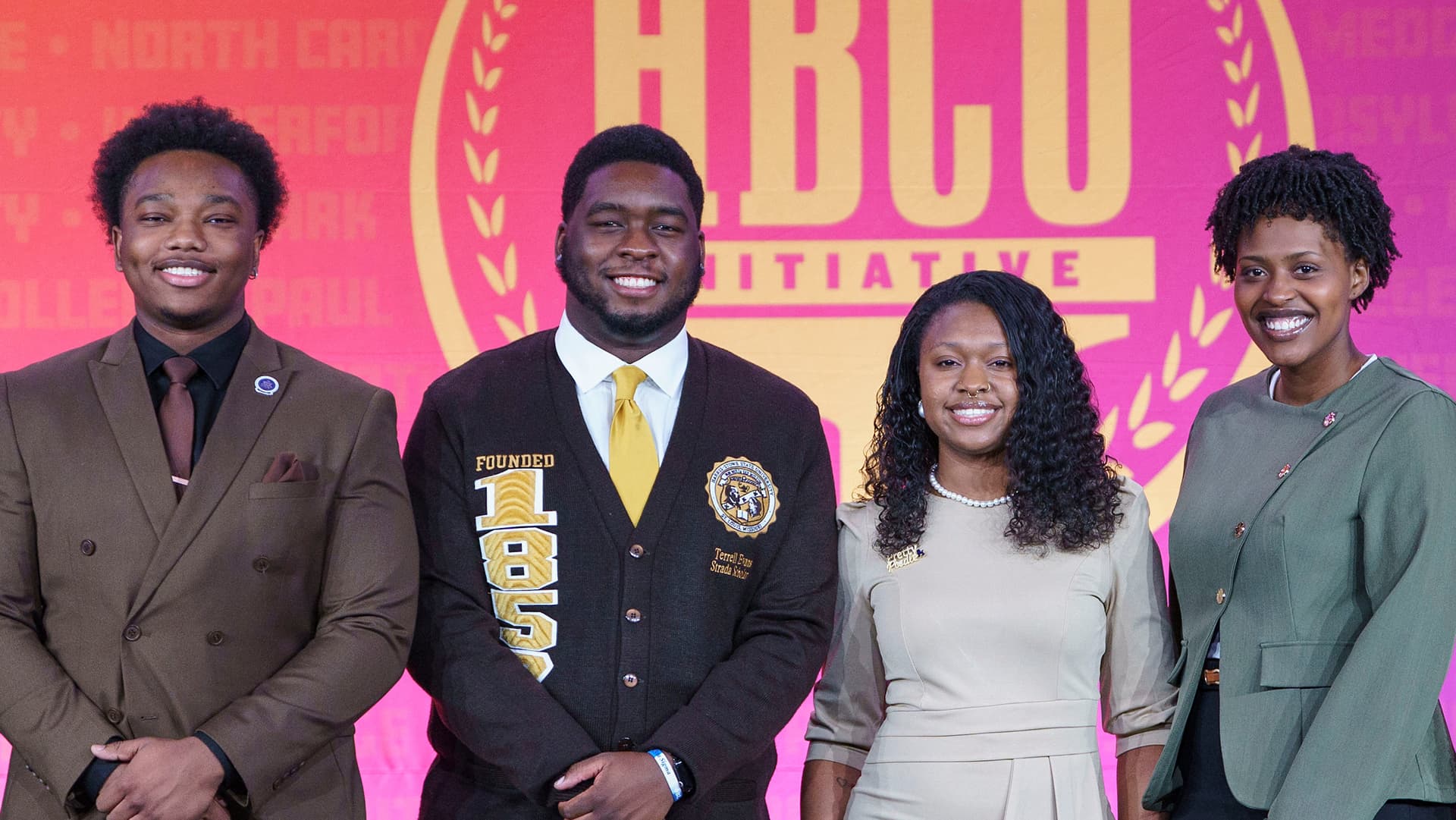
The students’ college education was supported by the Strada HBCU Initiative, which focuses on leadership development and elevating the transformative influence of historically Black colleges and universities. Forty-seven HBCUs partner with Strada as part of the initiative.
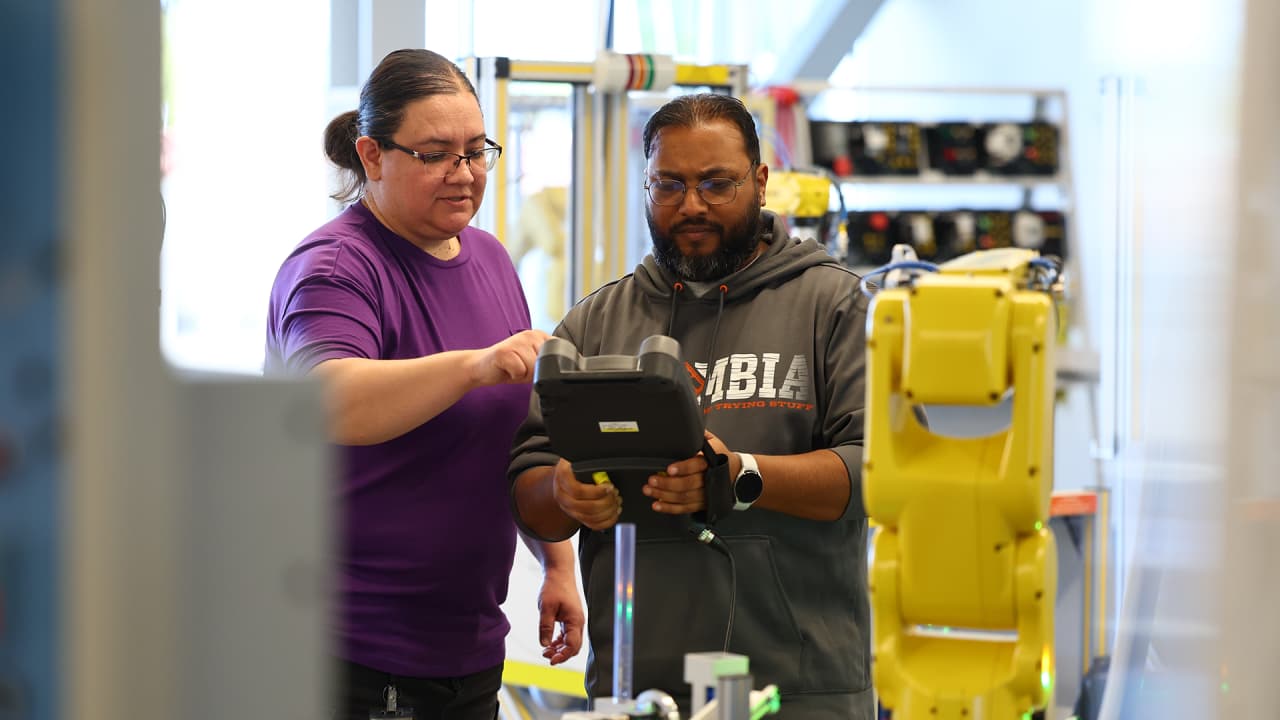
The newly launched Model Workforce Pell Data Framework offers a practical roadmap for a robust data infrastructure aligned across education and workforce systems.
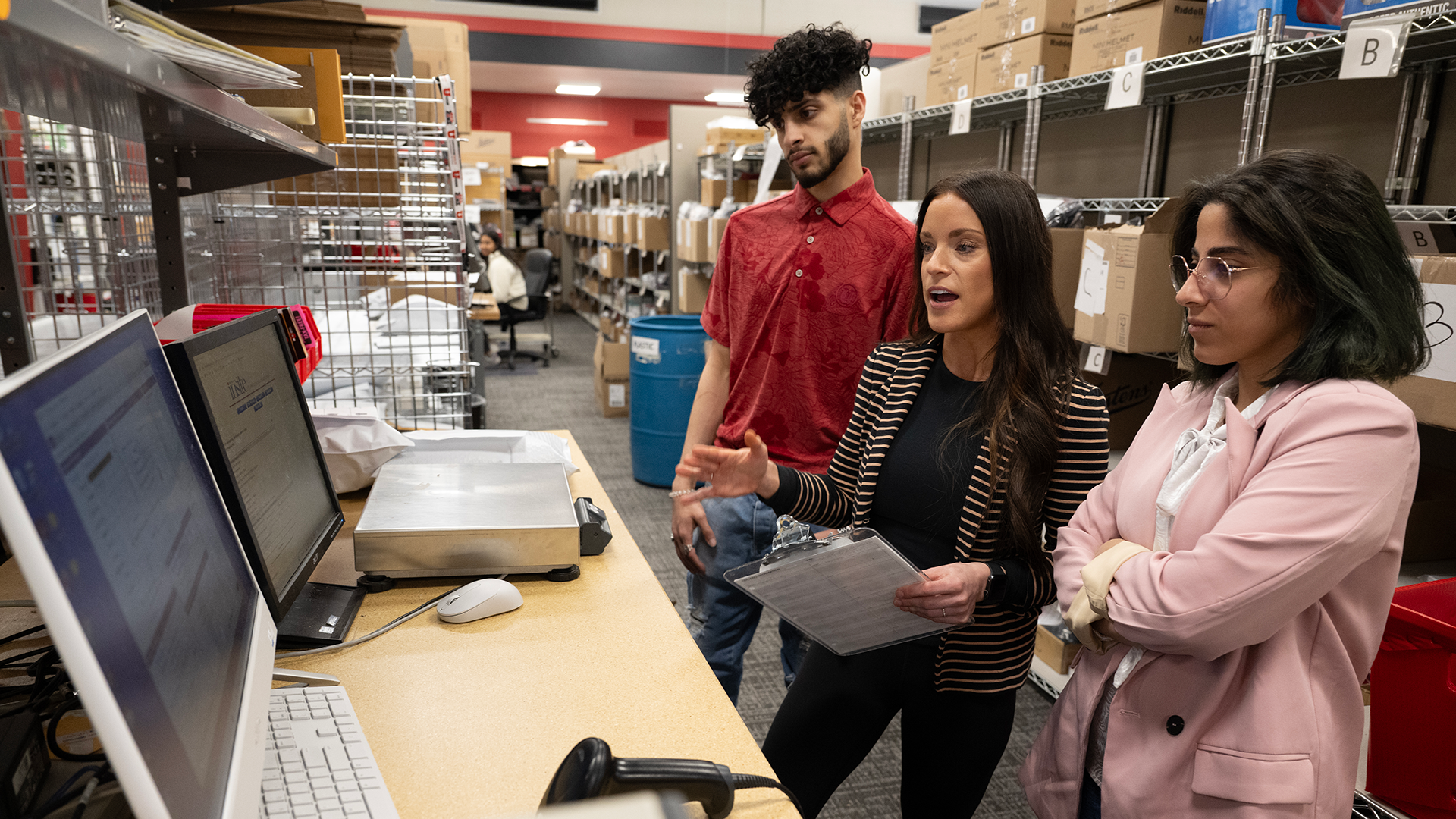
The practice of learning on the job has been around for centuries, but its capacity to prepare learners for the workforce and expose businesses to emerging talent is generating modern excitement.
.jpg)
Videos
%20copy.jpg)
In light of what the State Opportunity Index reveals about progress in individual states and nationally, panelists will highlight practical strategies that all who seek to connect education to opportunity can apply to their work.