News & Insights
A new Strada grant aims to test and support the effectiveness of employer intermediaries, which can fill a critical gap between the learners and employers.
Work-based learning is linked to better early career outcomes, including higher earnings and greater likelihood of securing college-level employment. As part of the 2025 State Opportunity Index, states were benchmarked using student-reported participation in at least one of five types of paid work-based learning at public two- and four-year institutions: internships, apprenticeships, co-ops, practica, and undergraduate research experiences.

.jpg)


The list of benefits associated with earning a college degree is extensive and oft-repeated. It includes higher average lifetime earnings, employment security, greater self-esteem, and better health, among many others.

The former U.S. Commerce Department official will head the social impact organization’s strategy and innovation team.
A new study from Strada reveals a silver lining at a challenging time in the employment world.

Amid all of this disruption, the number of U.S. workers leaving or changing their jobs sharply increased. Known variously as the Great Resignation, Reshuffle, or Realignment, the trend has been cast in the cultural imagination as a collective desire on the part of the American workforce for more rewarding or meaningful work.

Delaware State sophomore accounting major eyes and a different career path after viewing a wealth of options.

Sophomore engineering ‘rock star’ learns to become a leader while following in the HBCU grad footsteps of his parents and brother.

As a natural leader, student embraces opportunities to work in her field and build campus community

With a passion for writing and teaching, student seeks ways to teach while she’s still learning

Over the past 80 years, our nation has made great strides in improving access to college, and then ensuring that many more students could complete a college degree.
As the U.S. faces a dramatic period of job turnover, economic uncertainty, and postsecondary enrollment declines, employers and educators seek to find ways to meet rapidly changing education and workforce needs.

Spring 2022 enrollment numbers from the National Student Clearinghouse reveal a fifth straight semester of enrollment declines, with more than 1 million fewer students enrolled compared to spring 2020
Phase 2 allows Taskforce on Higher Education and Opportunity members to seek up to $1.5 million ($6.25 million total) to expand efforts to connect education to employment.
Try a different search term or refine your filter selections.
Stories

The students’ college education was supported by the Strada HBCU Initiative, which focuses on leadership development and elevating the transformative influence of historically Black colleges and universities. Forty-seven HBCUs partner with Strada as part of the initiative.
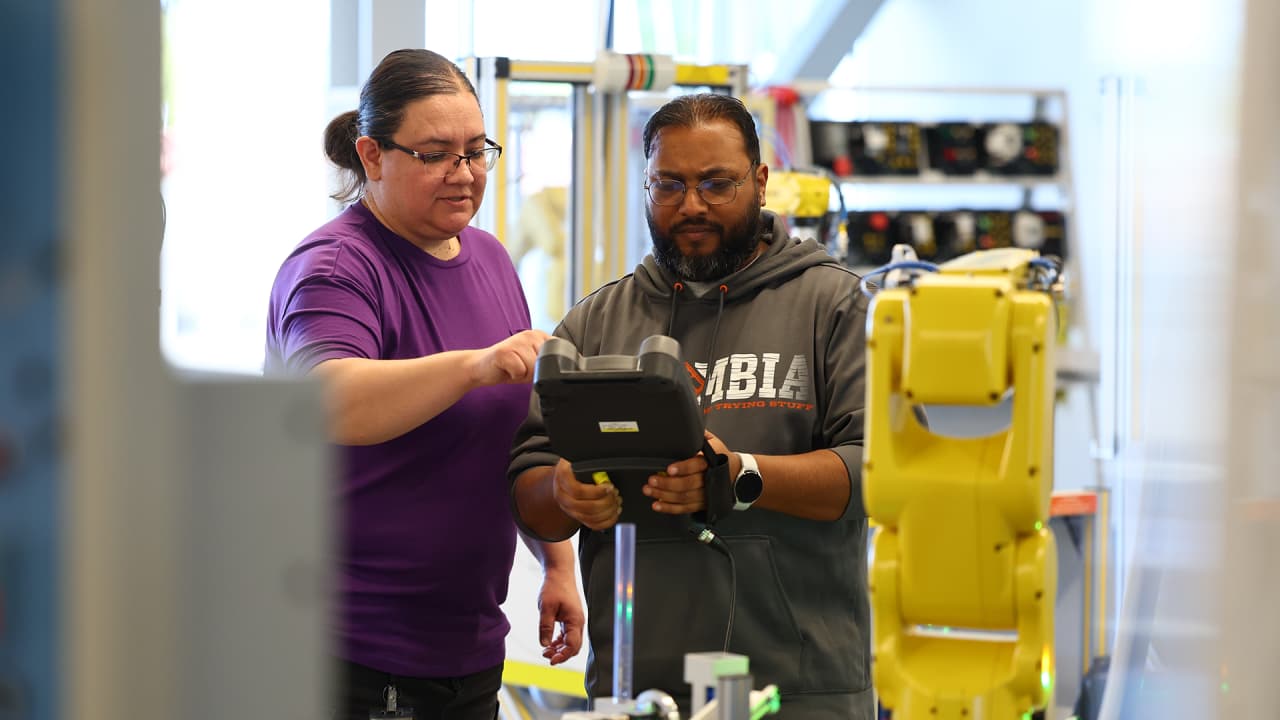
The newly launched Model Workforce Pell Data Framework offers a practical roadmap for a robust data infrastructure aligned across education and workforce systems.
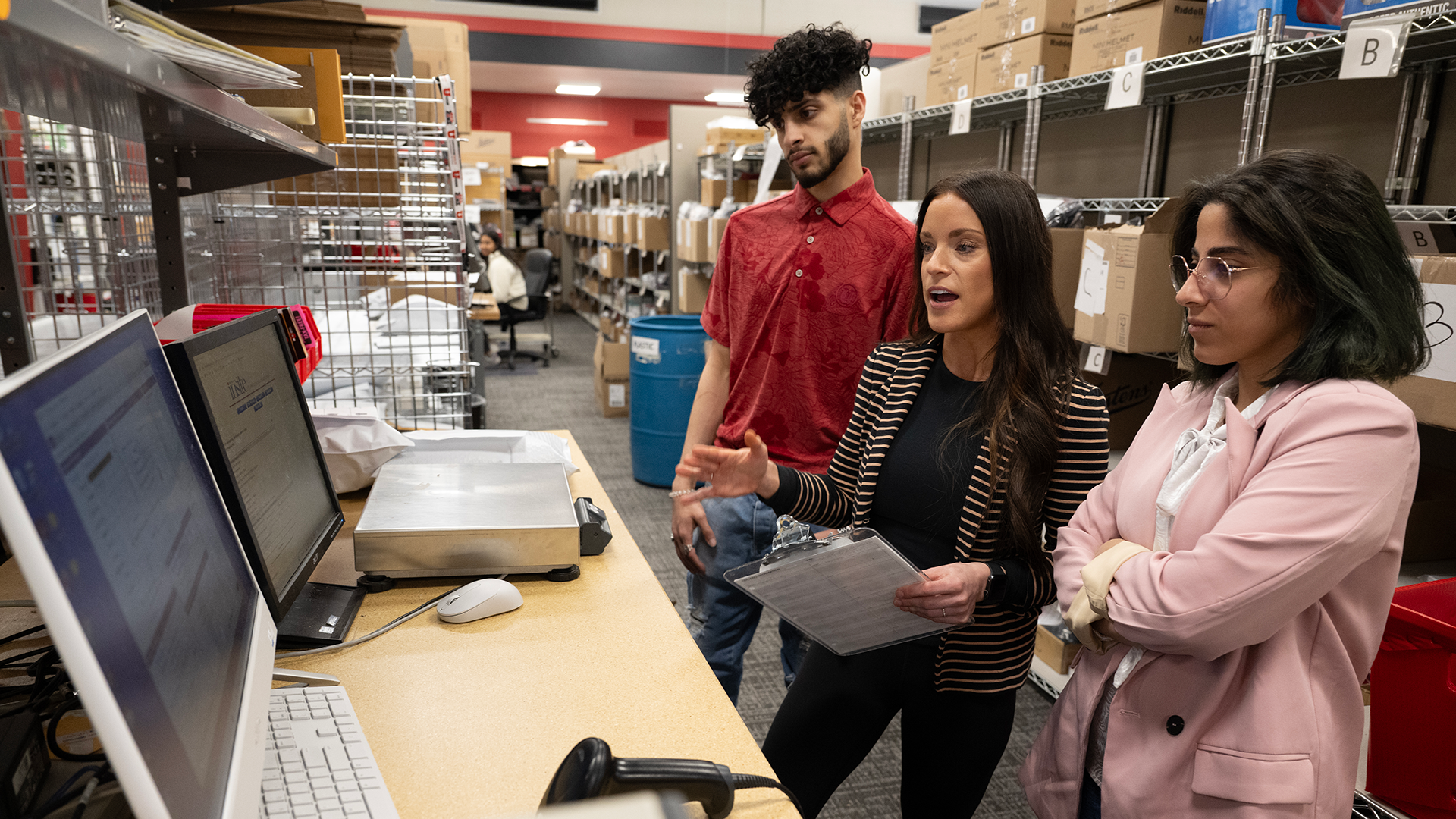
The practice of learning on the job has been around for centuries, but its capacity to prepare learners for the workforce and expose businesses to emerging talent is generating modern excitement.
.jpg)
Videos
%20copy.jpg)
In light of what the State Opportunity Index reveals about progress in individual states and nationally, panelists will highlight practical strategies that all who seek to connect education to opportunity can apply to their work.
