How Mississippi made locally led coaching happen statewide
.jpg)
Growing up, Courtney Taylor lived the problem she now is trying to solve.
Taylor was good academically in school and destined for college and a traditional path to a successful career. Meanwhile, her twin brother struggled in the classroom and, Taylor says, “never found his foothold.
“Because he wasn’t going to continue his education,” she said, “they did not know what to do with him.”
Today, Taylor is executive director of AccelerateMS, the state of Mississippi’s workforce development agency, which was established in 2021 to align the state’s education, training, and economic initiatives. The agency embeds dedicated career coaches in public high schools throughout Mississippi and guides students in exploring education and career paths, helping them to identify high-wage, high-demand jobs and connecting them with local employers.
“It’s kind of the ultimate problem that we’re trying to solve with career coaches,” Taylor said. “We need more students going into these fields of high quality, high wages, high demand, and less of them going into fields that maybe don’t have as much need or don’t pay as much.”
The program places a career coach in every public high school that requests one. Currently, 204 schools have a career coach — about 90 percent of public high schools in Mississippi.
The AccelerateMS coaching program is well-aligned with the Principles for Quality Education-to-Career Guidance, which have been defined and endorsed by education and workforce leaders. The AccelerateMS model provides personalized coaching to students that supports them in mapping their education-to-career pathways, and this guidance includes information about high-wage, high-demand industries and the postsecondary training needed to pursue these opportunities.
Additionally, students and coaches create education and career plans, and coaches also help students build their professional networks through job shadowing and other industry connections.
“It’s kind of the ultimate problem that we’re trying to solve with career coaches. We need more students going into these fields of high quality, high wages, high demand, and less of them going into fields that maybe don’t have as much need or don’t pay as much.”
— Courtney Taylor, executive director of AccelerateMS
At an October convening in Washington, D.C., where Strada released the 2026 State Opportunity Index, more than 300 education and industry leaders from 36 U.S. states learned from one another about how states are connecting education after high school with economic opportunity. At the event, Taylor shared how Mississippi recognized the need for career coaches in high schools and focused on local and regional needs to implement the program statewide:
- Focus on the end goal to navigate solutions in a complicated education-to-work system.
AccelerateMS works at the intersection of K-12 education, postsecondary education and training, and workforce development. That’s why Taylor says the organization’s “main priority is to coordinate a very disjointed system.”
Career coaches are not school employees; rather, they are employed by regional organizations rooted in the communities they serve.
“What we didn’t want to do was house this program somewhere where it got confusing, where we started making the coaches do random college and career readiness classes or bus duty or whatever,” Taylor said. “So we’re really proud that we’ve been able to keep it separated from the infrastructure, yet the humans have incorporated it very well.”
- Prioritize community needs, regional economies, and local decision-makers.
AccelerateMS organized the program to put local needs first, and as a result the career coaches are serving the needs of the state.
The career coaches are hired through grants to regional organizations that are selected for their knowledge of their region, their connection with and understanding of the local economy, and their demonstrated experience in managing grants. Even the coaches’ presence is a local decision — a public high school has to opt into the program before it is allotted a career coach.
“We’ve established a program that is locally led, locally managed, but working together with the state as a whole,” Taylor said.
- Empower career coaches with labor market information they can interpret for students.
In a program so reliant on individualized interactions, hiring the right career coaches might be the most important component of success.
While the job description for AccelerateMS career coaches does not require a college degree (“We didn’t want to continue to push that narrative that you have to go to college and that’s the only path to success,” Taylor said), it does require an ability to interpret labor market information to high school students.
Finding people who want to help young people chart their futures is the easy part, Taylor noted, even with career coach salaries in the mid-$50,000s. But the more challenging ingredient is finding prospects with an ability to communicate data to students in a format they understand.
“It remains a challenge to educate the people who want to be in the schools working with the kids on the data they need,” Taylor said. “How do you get the information directly to the individual who needs it?”

These five resources were developed to provide a summary of the research behind each of the five Principles for Quality Education-to-Career Guidance.
.jpg)
At a State Higher Education Executive Officers Association convening in Washington, D.C., delegations of state leaders exchanged policy developments on work-based learning evidence and solutions.
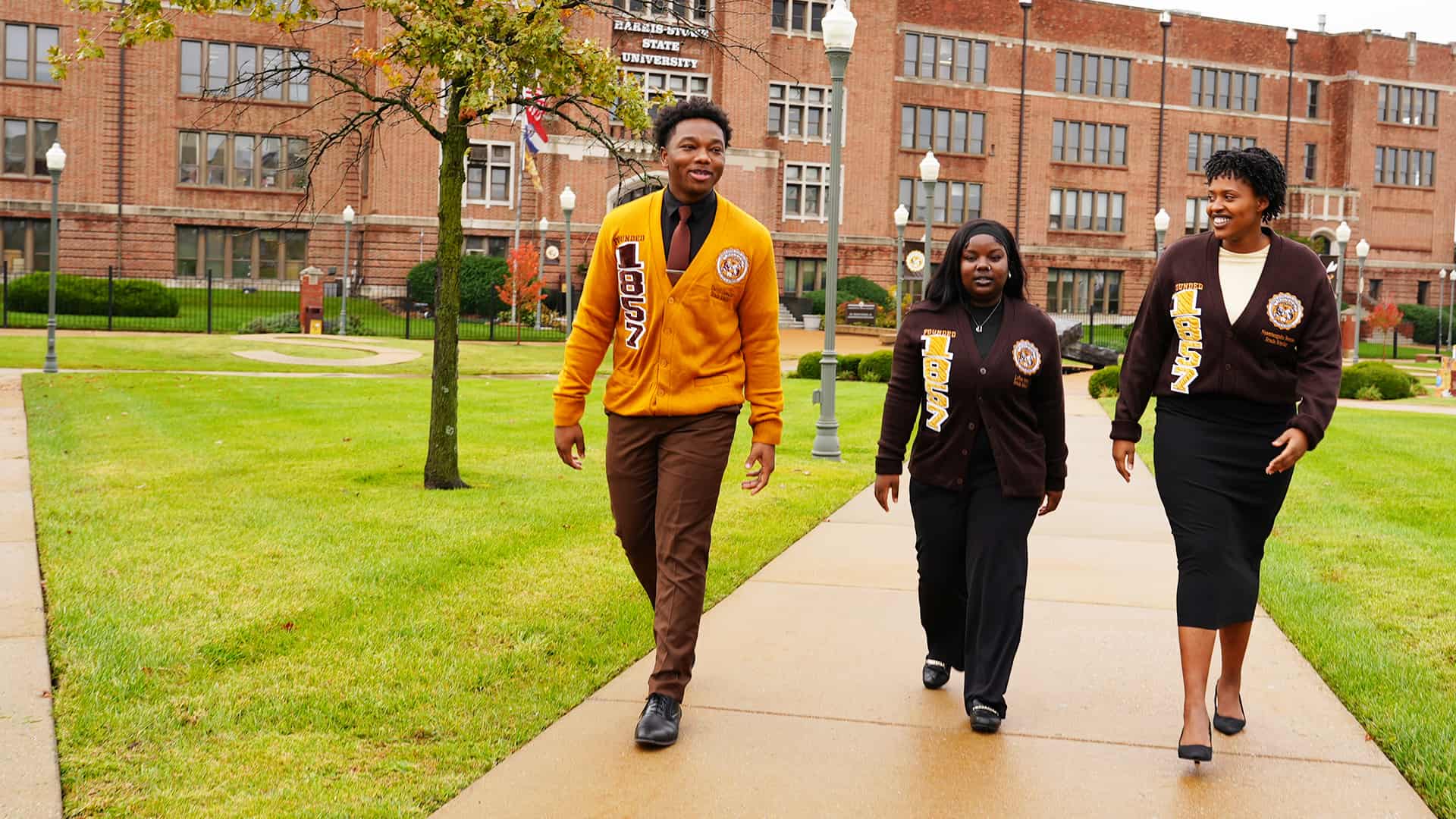
As Strada’s eight-year investment in historically Black colleges and universities reaches its halfway point, the partner institutions and students involved reflect on how it helps students connect their education to economic opportunity.

For January’s National Mentoring Month, Strada staff reflected on how mentors in all their forms have shaped our journeys as students and professionals.

Large-scale systems-level change requires sustained attention and dedication, so when Strada looks back at progress made over the past year, we are inspired by moments that point toward a future in which every person — no matter where they start — can envision a way ahead that is filled with opportunity.
The Principles identify essential strategies for supporting students through quality education-to-career guidance as they transition from education to employment.

While overseeing the organization’s portfolio of affiliates, Cobert also leads multiyear partnerships with mission-aligned nonprofit organizations.

More than 300 education and industry leaders from 36 U.S. states came together to learn from one another about how states are connecting education after high school with economic opportunity.
.jpg)
The following organizations have endorsed the Principles for Quality Education-to-Career Guidance. We asked these organizations: How can the Guiding Principles support your work? Here are some of their responses.
.jpg)
‘For many, having someone in your corner who knows how to translate dreams into plans can make all the difference.’

A new Roadtrip Nation documentary, “Rethinking Higher Ed,” asks: What is required to ensure the path provides the most value for each person? Where do students find guidance as they chose their path? How can we be sure every learner has a guide?

This year the Strada HBCU Initiative celebrates its fourth year — a milestone that includes the graduation of many students in the first cohort of Strada Scholars.

One year after its release, Strada CEO and President Stephen Moret reflects on what has been learned so far and what to expect in the next iteration.

How a student chooses a college major is often the result of personal factors, such as interests, strengths, or education and career guidance.

The institutions receiving the grants will develop innovative approaches to career services and share their knowledge and experiences with other schools.

Strada is extending an invitation for each institution to participate in the State Opportunity Index survey and to receive confidential and benchmarked results, free of cost.
.avif)
Strada’s agenda lays out ambitious steps for improving education and employment systems so students realize the economic value of their education and employers have the talent they need to fill jobs.
Guidance in connecting education to a career can make the difference in improving completion and postcompletion outcomes. When grounded in effective practices including proactive outreach and comprehensive support, coaching is associated with improved persistence and graduation rates.

Strada’s report, Quality Coaching, looks at students’ experiences across three elements of quality coaching and we examine the experiences of recent graduates. The report also offers insights to leaders, practitioners, and others seeking to improve students’ career outcomes.

Mentors in Tech, supported by a Strada grant, recruits veterans from the Seattle region’s robust tech industry to mentor students at the area’s small, affordable, open-access colleges.

Both Robinson and Love will support the foundation’s efforts to conduct research and develop policy solutions.

The State Opportunity Index was developed to help states build a stronger connection between education after high school and equitable pathways to opportunity so students realize the full value of their education and employers have the workforce they need to fill high-demand jobs.

The gift of time. A recognition of talent. A helping hand. How our mentors helped shape us as people and professionals. A few Strada staff members share their thoughts.
Three-year grants awarded to four institutions will support the expansion of programs designed to help learners succeed during and after completion of their degree or credential.
Phase 2 allows Taskforce on Higher Education and Opportunity members to seek up to $1.5 million ($6.25 million total) to expand efforts to connect education to employment.
Strada announces the winners in the initial phase of a grant challenge aimed at helping higher education institutions improve career and life opportunities for several disadvantaged populations.
The recognized economic and workforce development leader with successful tenures in Virginia and Louisiana will join the national nonprofit in January 2022.
The grant competition seeks to connect learning with employment for first-generation students, those who struggle to afford education, and students of color.