Celebrating the mentors who coached, cheered, and cajoled us in our journeys

What makes a mentor?
Mentors can function as coaches, cheerleaders, or critics. They can be based on relationships that last decades or a few minutes. They can provide a venue for self-reflection or recognize unseen potential.
For January’s National Mentoring Month, Strada staff reflected on how mentors in all their forms have shaped their journeys as students and professionals:
‘They would advocate for me in rooms I wasn't in’
My mentors always have been people I admired who have skills I wanted to emulate. For example, one of my mentors was a former boss I had when I was interning during my sophomore year in college. She has an exceptional ability to command attention in a room and build organizational buy-in in a way that still nurtures relationships. (In other words, people loved working with her.) I wanted to work closely with her and learn from her to build this skill as I was starting my career.
I never formally asked her to be my mentor. I made sure I always delivered my best possible work to her, asked questions, and raised my hands for projects so she would want to work with me. When the internship ended, I would reach out quarterly to schedule time to catch up and share updates on things I had been doing and ask questions as I was navigating my career. Eventually, I ended up working with and learning from her professionally again after college, and she is still one of my mentors after all these years.
My mentors were always a safe space for me to ask questions and be vulnerable to support meaningful learning. Additionally, many of my mentor relationships eventually transitioned into sponsorship relationships, in which they would advocate for me in rooms I wasn't in and recommend me for opportunities that I might have been overlooked for otherwise. I take both of these things very seriously. I try to nurture a safe environment with my mentees in which they can be themselves and real learning can happen. And, for longer and stronger mentee relationships, I think twice about how I might be able to advocate for my mentees in spaces where they aren't able to advocate for themselves.
— Stacy Delapenha
Vice president of apprenticeship and employer engagement
‘She is my go-to person for any question’
Four years ago, I met Katie Singer when she was my boss at the New England Board of Higher Education. I had no idea then that she would become such a vital mentor in my professional life.
Even after my internship ended, we stayed in touch. I quickly realized how much I still needed to learn about the higher education field, a career path many people discover later in life. But I found it as an undergraduate student, and Katie helped me forge a path aligned with my goals.
Her support has been invaluable. She has helped me refine my resume and identify potential job openings, and she has kept me informed about her own career journey to illustrate possibilities for my future. She is my go-to person for any question, either providing the answer or pointing me to where I can find it. She also keeps me in mind for opportunities she encounters, bringing numerous possibilities my way.
I truly appreciate her continued support well beyond our supervisor/intern relationship. While I never planned for this mentorship, I can't imagine navigating my professional life without Katie's guidance and support.
— Grace Moore
Project coordinator, HBCU and engagement
‘A transformational presence in my life’
My mentor, Pat Engman, was a transformational presence in my life. Pat started out at the same small college as me — Coker College — and went on to graduate from the University of Florida law school in 1969, as one of only a few women in her class. Eventually, she became the CEO of the Business Roundtable, an association of the top CEOs in the United States.
Pat and I met when I interned in Washington, D.C., and she opened her house as my place to stay while I was living and working in the city. Pat radically shifted my life outcomes. She provided not only information and advice, but also took me to the store to buy my first interview suit (because I couldn't afford one!). She brought me with her to dinners where we sat with the president of Exxon Mobil and Supreme Court justices, and she exposed me to a reality I could not have imagined. In addition to this, Pat took me with her to the Kennedy Center and high-end restaurants. I grew up in rural South Carolina, and Pat exposed me to arts and culture in a way I could not have accessed alone. This mentorship was truly a class mentorship, allowing me to access and navigate a social class beyond my own low-income background.
Pat's spirit of generosity — providing real tangible support and not only words — and her inclusion of me as a young person just at the start of my career, influences the way I think about my own mentoring and support of others.
— Victoria Dunn
Director of quality coaching innovation and impact
‘Advice I live by to this day came from a mentor’
I have been very blessed to have several people in my life who mentored me — some overtly, others by how they carried themselves and did what they did. In the past, I often felt unqualified for many of the roles I was blessed to be given, but through the kindness, professionalism, and the confidence of others, and my willingness to do the necessary work, I have been able to be successful and be given opportunities I could only dream of.
One piece of advice I live by to this day came from a mentor: I am not above any task. If something needs to be done, you do it. You don't watch the clock, and you don't ever say, “It’s not my job.” Leadership starts from the top and is manifested by doing, not talking. It is who you are, not what title you hold. Building a culture of teamwork is easier when you see everyone, including top bosses, contributing their full effort.
It is so important to be open to opportunities, kind to others, dedicated to whatever work you are doing, and recognize you should treat others as you would like to be treated. When it comes to mentoring others, I am honored if I can help someone feel more confident, learn from my experience, and understand that a bit of humility goes a long way.
— Kathleen Smith
Senior vice president, federal government relations
‘The most unlikely of mentors’
When I was a young journalist working in Washington, D.C., I was offered a job in New York working at the world headquarters of The Associated Press. The job represented a big step up for me, but I was not inclined to take it. I was comfortable in D.C. and wanted to live an easier life in an easier place.
Once the reporters I worked with caught wind of the job offer and my plans to pass on it, they took me out to lunch and read me the riot act. In short, they said: “Take the job. You are too young to focus on comfort. AP New York represents the pinnacle of journalism. If you pass on this, you will always regret it.” Those four reporters — usually gruff and grumpy to everyone — were the most unlikely of mentors, but that day, their advice was invaluable. I took the job and had no regrets.
— Maria Ferguson
Vice president of content
‘Provided candid feedback and helped me build my confidence’
Over the years, I’ve learned that the most meaningful mentoring relationships are built gradually through genuine connection and mutual trust. What often begins as guidance or advice deepens over time into relationships in which mentors feel comfortable offering honest — sometimes critical — feedback, knowing it’s grounded in care and respect. I’ve come to value that trust as the true marker of mentorship because it has enabled my most significant growth.
The best advice I’ve received was to be willing to step into new opportunities even before I felt fully ready. Growth comes from getting in the arena and being willing to try things you’re not yet good at, with a commitment to learning and improvement along the way. This is a mindset I try to carry into each new opportunity. Early in my career, the vice president for the division I worked within recognized my potential to lead teams before I did. Despite my discomfort, they placed me in roles in which I was responsible for others, provided candid feedback, and helped me build my confidence in the process. Through those experiences, I learned that effective leadership is about building trusting relationships, casting a shared vision, and creating conditions for both individuals and the team as a whole to thrive.
Effective mentoring is less about giving advice and more about creating conditions for confidence and growth. The best mentors I’ve had the privilege to learn from have listened closely, challenged me with intention, provided honest feedback, and trusted me with real responsibility. I try to model that same balance of support, stretching, and belief when I have the privilege to mentor others.
— Kimberly Sluis
Vice president and chief of staff, postsecondary education
‘A safe and inclusive space to learn’
Throughout my career in digital marketing communications, I have had wonderful supervisors and mentors who created a safe and inclusive space to learn everything in the industry, from paid social media to web content development. When I first started my career in higher education and communications and marketing, I supported different marketing communications members from web development, creative, content, social media, and project management; I didn't really own anything.
After I completed my first year at the university, my boss, Charlie Terenzio, took me aside and told me he saw I had potential in owning social media and other emerging digital marketing technologies. He then promoted me to focus on digital marketing and communications for the university. I remember him telling me to learn and test new digital marketing and social media platforms that summer, and put together a plan and strategy for the next enrollment and academic year.
Our social media content for the university became rich in storytelling, highlighting student success, faculty research, and community engagement, and the university reached new audiences and communities. I won't go into the analysis, as many of my past and current colleagues and peers know that I tend to do, but let's just say I was very proud of the digital and social media work at the university.
I wouldn't be where I am today in my career without Charlie. His mentorship, leadership, and trust in me allowed me to take ownership of my work. He even supported me in attaining my first director-level job several years later. Working at the university brought me so much joy and passion for higher education and digital marketing communications, and it became one of the steps in my career that led me to Strada.
— Angelo Jasa-Phillips
Director of digital and social media
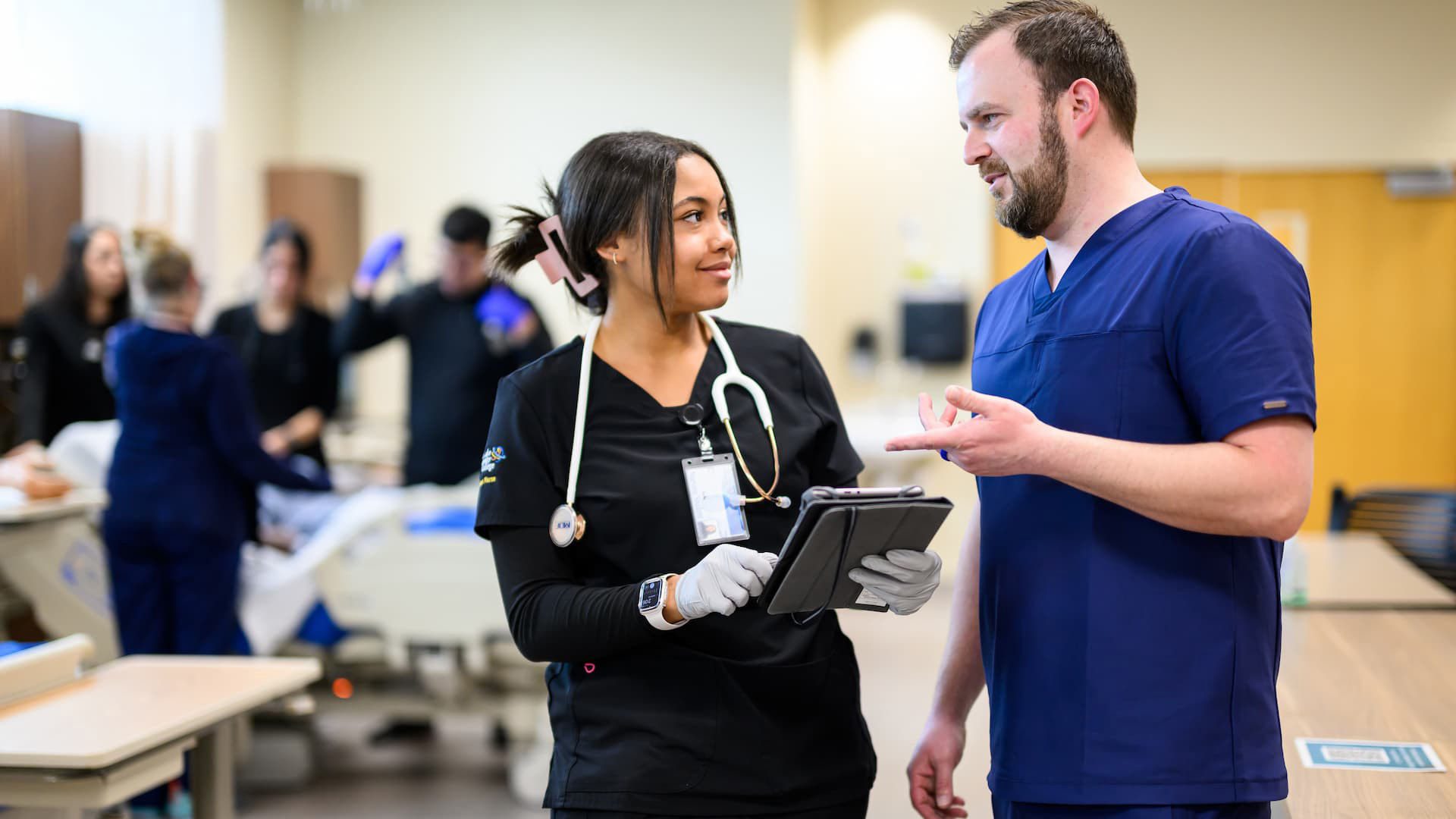
The analyses in this report explore variations in experiences across student populations and fields of study; the sources and channels through which students experience education-to-career guidance; and how quality coaching experiences are linked to student perceptions about other aspects of their education.
By providing insight into employment opportunities, earnings, and workforce demand, labor market information helps students understand how educational pathways most consistently connect to career outcomes. This qualitative research is based on in-depth qualitative interviews with career services professionals and undergraduate students.
These five resources were developed to provide a summary of the research behind each of the five Principles for Quality Education-to-Career Guidance.
.jpg)
At a State Higher Education Executive Officers Association convening in Washington, D.C., delegations of state leaders exchanged policy developments on work-based learning evidence and solutions.
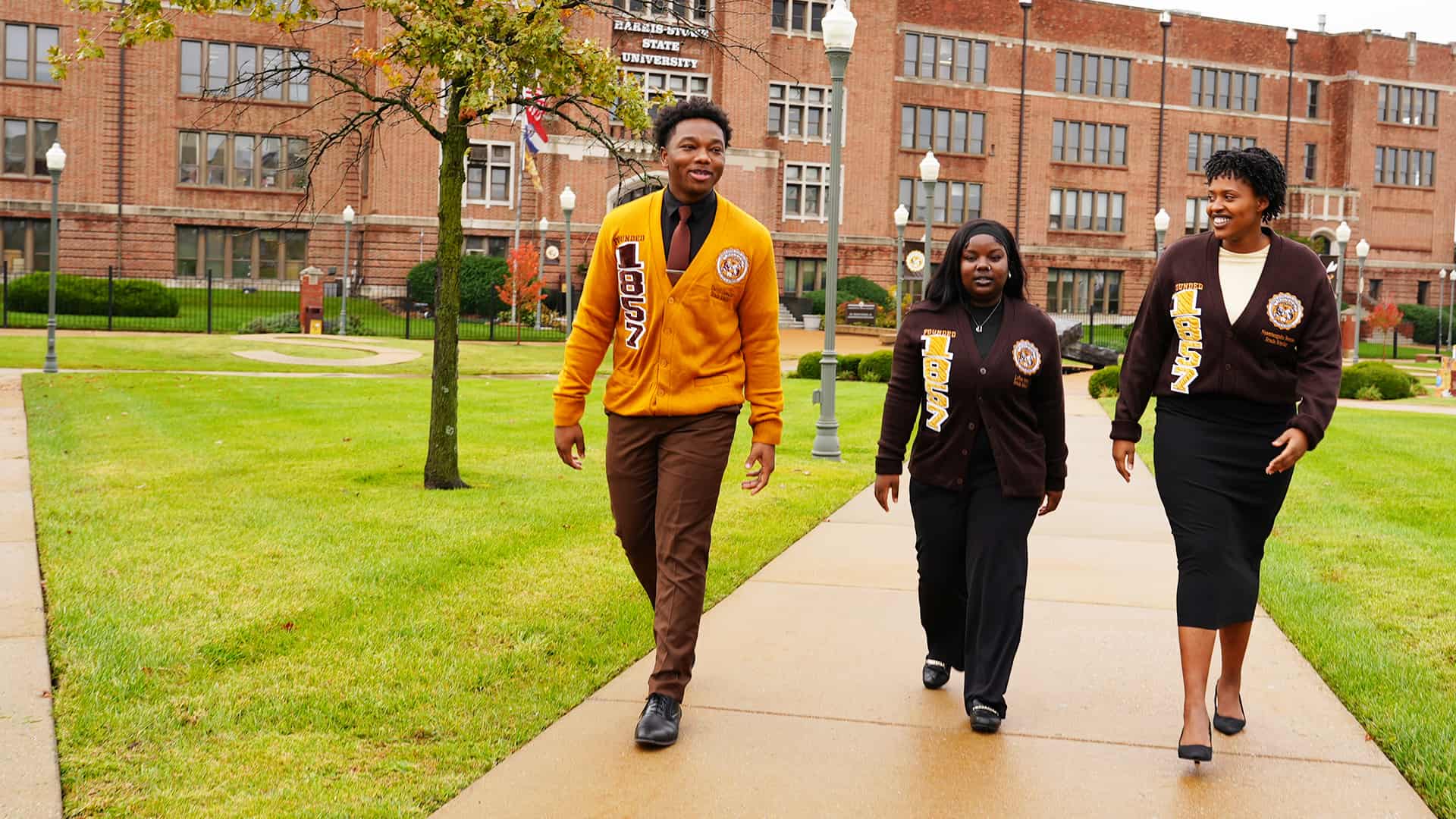
As Strada’s eight-year investment in historically Black colleges and universities reaches its halfway point, the partner institutions and students involved reflect on how it helps students connect their education to economic opportunity.
.jpg)
With dedicated career coaches in 90 percent of its public high schools, the state connects learners with information about education pathways to high-demand, high-wage jobs.
Large-scale systems-level change requires sustained attention and dedication, so when Strada looks back at progress made over the past year, we are inspired by moments that point toward a future in which every person — no matter where they start — can envision a way ahead that is filled with opportunity.
The Principles identify essential strategies for supporting students through quality education-to-career guidance as they transition from education to employment.

While overseeing the organization’s portfolio of affiliates, Cobert also leads multiyear partnerships with mission-aligned nonprofit organizations.

More than 300 education and industry leaders from 36 U.S. states came together to learn from one another about how states are connecting education after high school with economic opportunity.
.jpg)
The following organizations have endorsed the Principles for Quality Education-to-Career Guidance. We asked these organizations: How can the Guiding Principles support your work? Here are some of their responses.
.jpg)
‘For many, having someone in your corner who knows how to translate dreams into plans can make all the difference.’

A new Roadtrip Nation documentary, “Rethinking Higher Ed,” asks: What is required to ensure the path provides the most value for each person? Where do students find guidance as they chose their path? How can we be sure every learner has a guide?

This year the Strada HBCU Initiative celebrates its fourth year — a milestone that includes the graduation of many students in the first cohort of Strada Scholars.

One year after its release, Strada CEO and President Stephen Moret reflects on what has been learned so far and what to expect in the next iteration.

How a student chooses a college major is often the result of personal factors, such as interests, strengths, or education and career guidance.

The institutions receiving the grants will develop innovative approaches to career services and share their knowledge and experiences with other schools.

Strada is extending an invitation for each institution to participate in the State Opportunity Index survey and to receive confidential and benchmarked results, free of cost.
.avif)
Strada’s agenda lays out ambitious steps for improving education and employment systems so students realize the economic value of their education and employers have the talent they need to fill jobs.
Guidance in connecting education to a career can make the difference in improving completion and postcompletion outcomes. When grounded in effective practices including proactive outreach and comprehensive support, coaching is associated with improved persistence and graduation rates.

Strada’s report, Quality Coaching, looks at students’ experiences across three elements of quality coaching and we examine the experiences of recent graduates. The report also offers insights to leaders, practitioners, and others seeking to improve students’ career outcomes.

Mentors in Tech, supported by a Strada grant, recruits veterans from the Seattle region’s robust tech industry to mentor students at the area’s small, affordable, open-access colleges.

Both Robinson and Love will support the foundation’s efforts to conduct research and develop policy solutions.

The State Opportunity Index was developed to help states build a stronger connection between education after high school and equitable pathways to opportunity so students realize the full value of their education and employers have the workforce they need to fill high-demand jobs.

The gift of time. A recognition of talent. A helping hand. How our mentors helped shape us as people and professionals. A few Strada staff members share their thoughts.
Three-year grants awarded to four institutions will support the expansion of programs designed to help learners succeed during and after completion of their degree or credential.
Phase 2 allows Taskforce on Higher Education and Opportunity members to seek up to $1.5 million ($6.25 million total) to expand efforts to connect education to employment.
Strada announces the winners in the initial phase of a grant challenge aimed at helping higher education institutions improve career and life opportunities for several disadvantaged populations.
The recognized economic and workforce development leader with successful tenures in Virginia and Louisiana will join the national nonprofit in January 2022.
The grant competition seeks to connect learning with employment for first-generation students, those who struggle to afford education, and students of color.