News & Insights
A new Strada grant aims to test and support the effectiveness of employer intermediaries, which can fill a critical gap between the learners and employers.
Work-based learning is linked to better early career outcomes, including higher earnings and greater likelihood of securing college-level employment. As part of the 2025 State Opportunity Index, states were benchmarked using student-reported participation in at least one of five types of paid work-based learning at public two- and four-year institutions: internships, apprenticeships, co-ops, practica, and undergraduate research experiences.

.jpg)


The recognized economic and workforce development leader with successful tenures in Virginia and Louisiana will join the national nonprofit in January 2022.

Students can see the high costs of education, but a clear and predictable career path is more opaque in an ever-shifting labor market transformed by remote work, gig work, outsourcing, automation, artificial intelligence, and global supply chains.
The grant competition seeks to connect learning with employment for first-generation students, those who struggle to afford education, and students of color.
.avif)
Roslyn Clark Artis grew up in southern West Virginia, the only African American in her graduating class. The daughter of a coal miner, she dreamed of becoming a lawyer and applied to every public university in her home state, hoping to find an affordable route to college.
A $25 million grant from Strada taps the collective experience and insights of HBCU leaders to scale experiential learning and leadership development within the college experience.

Steep declines in undergraduate enrollment during 2020 and 2021 threaten to widen existing equity gaps in college completion and career opportunities.

Nondegree credentials have been growing rapidly for decades. During the COVID-19 economic crisis, interest in nondegree credentials and skills training options was especially high. Questions about their quality and value, however, remain.

The high school classes of 2020 and 2021 have endured massive disruption to their education.

In order to inform solutions for how to reconnect with young adults whose education plans have been disrupted, Strada Education Network is conducting a multiphase research study with high school graduates from 2020 and 2021.

The pandemic has led to a national crisis of widespread disruption to both work and education for millions of adults in the U.S., especially those from historically marginalized groups.

Try a different search term or refine your filter selections.
Stories
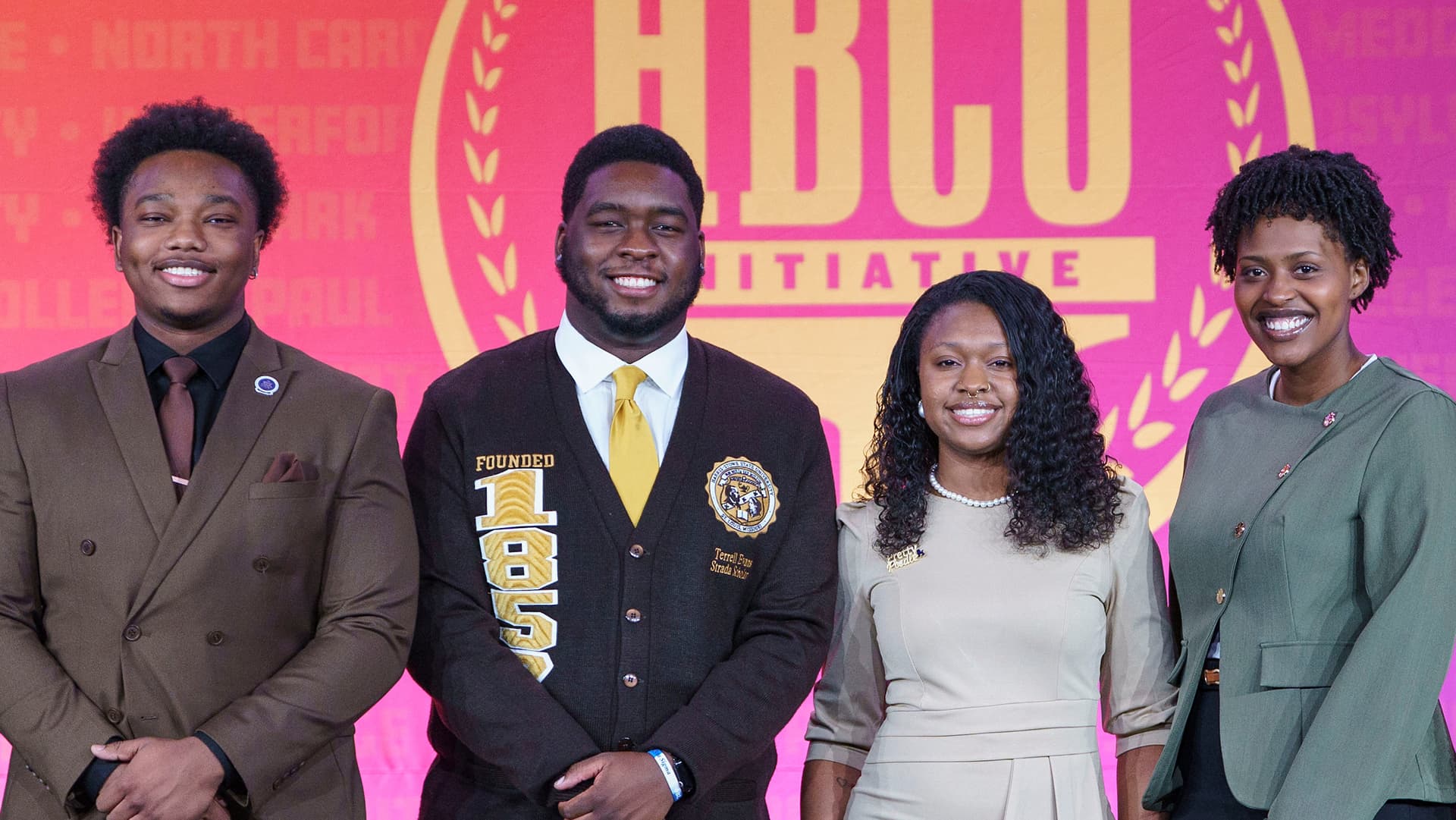
The students’ college education was supported by the Strada HBCU Initiative, which focuses on leadership development and elevating the transformative influence of historically Black colleges and universities. Forty-seven HBCUs partner with Strada as part of the initiative.
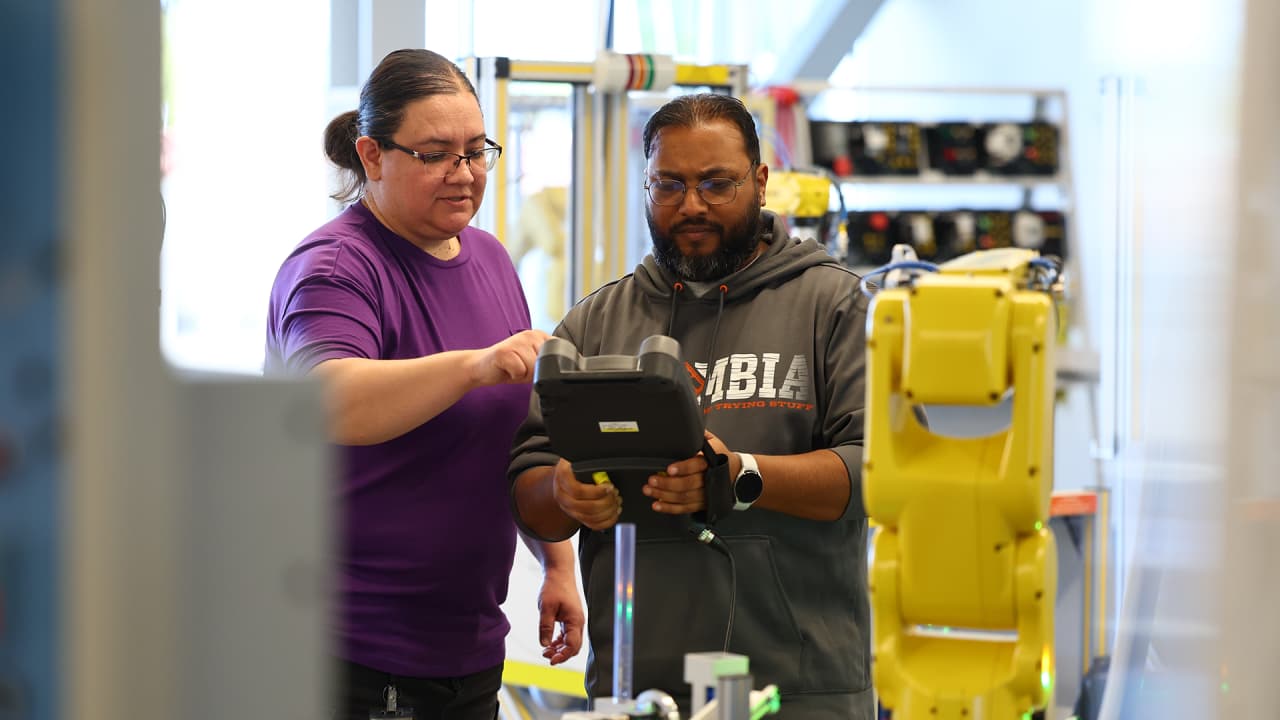
The newly launched Model Workforce Pell Data Framework offers a practical roadmap for a robust data infrastructure aligned across education and workforce systems.
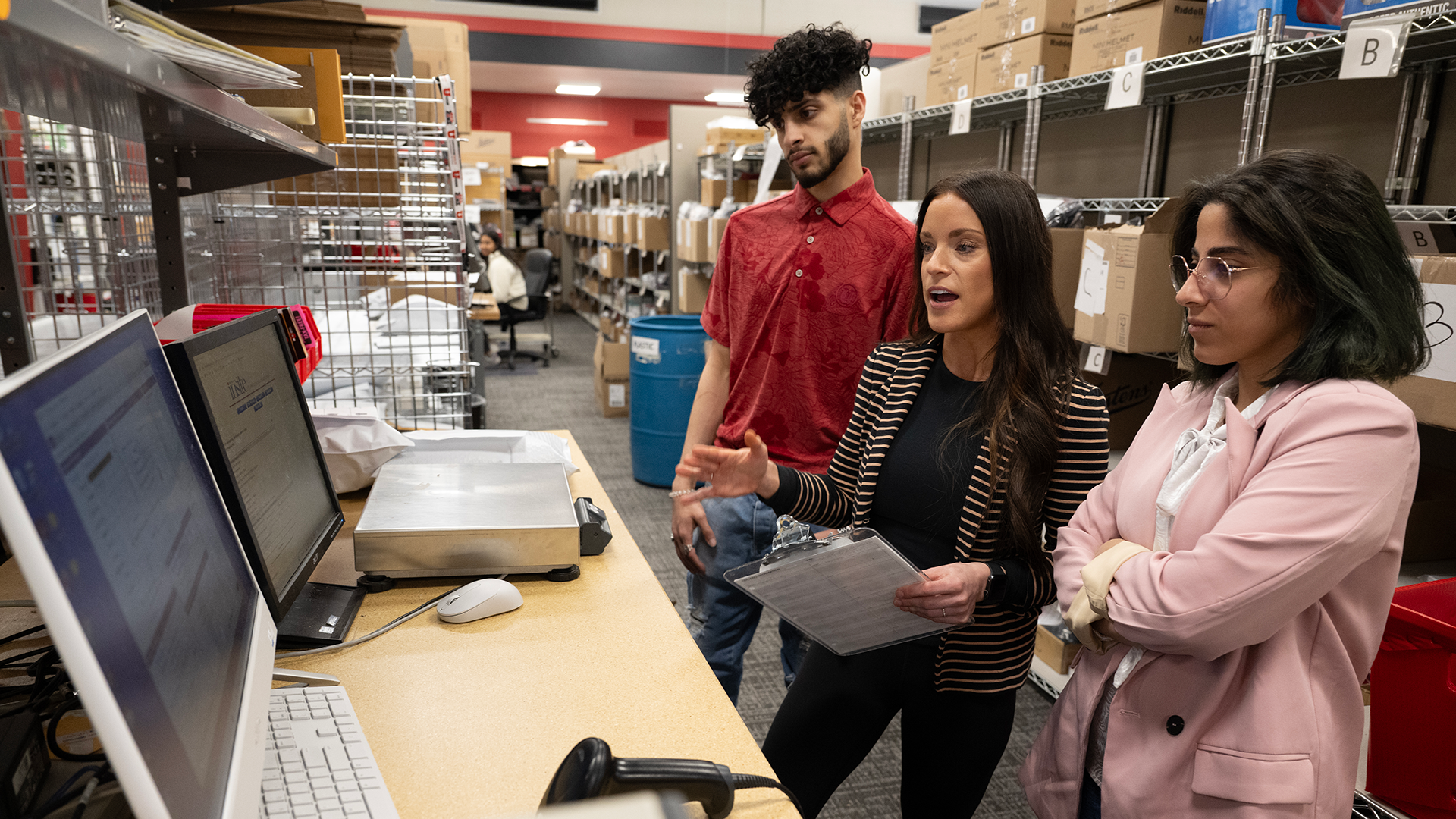
The practice of learning on the job has been around for centuries, but its capacity to prepare learners for the workforce and expose businesses to emerging talent is generating modern excitement.
.jpg)
Videos
%20copy.jpg)
In light of what the State Opportunity Index reveals about progress in individual states and nationally, panelists will highlight practical strategies that all who seek to connect education to opportunity can apply to their work.
