News & Insights
A new Strada grant aims to test and support the effectiveness of employer intermediaries, which can fill a critical gap between the learners and employers.
Work-based learning is linked to better early career outcomes, including higher earnings and greater likelihood of securing college-level employment. As part of the 2025 State Opportunity Index, states were benchmarked using student-reported participation in at least one of five types of paid work-based learning at public two- and four-year institutions: internships, apprenticeships, co-ops, practica, and undergraduate research experiences.

.jpg)

The nationally representative Public Viewpoint survey, with more than 17,000 responses collected between March 25 and Sept. 3, is intended to provide insights to the education and training providers, policymakers, employers, and individual Americans who are navigating the COVID-19 crisis.
The nationally representative Public Viewpoint survey, with more than 16,000 responses collected between March 25 and Aug. 20, is intended to provide insights to the education and training providers, policymakers, employers, and individual Americans who are navigating the COVID-19 crisis.
Five months into the pandemic, Americans are now three times more likely than they were in April to believe COVID-19’s impact will last more than a year.
The nationally representative Public Viewpoint survey, with more than 14,000 responses collected between March 25 and July 23, is intended to provide insights to the education and training providers, policymakers, employers, and individual Americans who are navigating the COVID-19 crisis.
The COVID-19 crisis continues to touch nearly every aspect of American life, but the latest Strada Public Viewpoint research shows Americans’ interest in online learning would be significant with or without the effect of the pandemic.
This week’s data also shows what is motivating the workers looking to change fields—and for about half, the decision isn’t about finances or career advancement.
COVID-19 is taking the lives of Americans and disrupting the fabric of work, education, and daily living for the entire nation, but the impact is disproportionately affecting people of color.
After weeks of impact to Americans’ emotional and economic well-being because of COVID-19, many are beginning to consider what will come next in their lives.
Responses from more than 7,000 adults now are included in this survey*, updated weekly and designed to track the impact of the pandemic on American lives, work, and education.
Responses from more than 6,000 adults now are included in this survey*, updated weekly and designed to track the impact of the pandemic on American lives, work, and education.
Try a different search term or refine your filter selections.
Stories
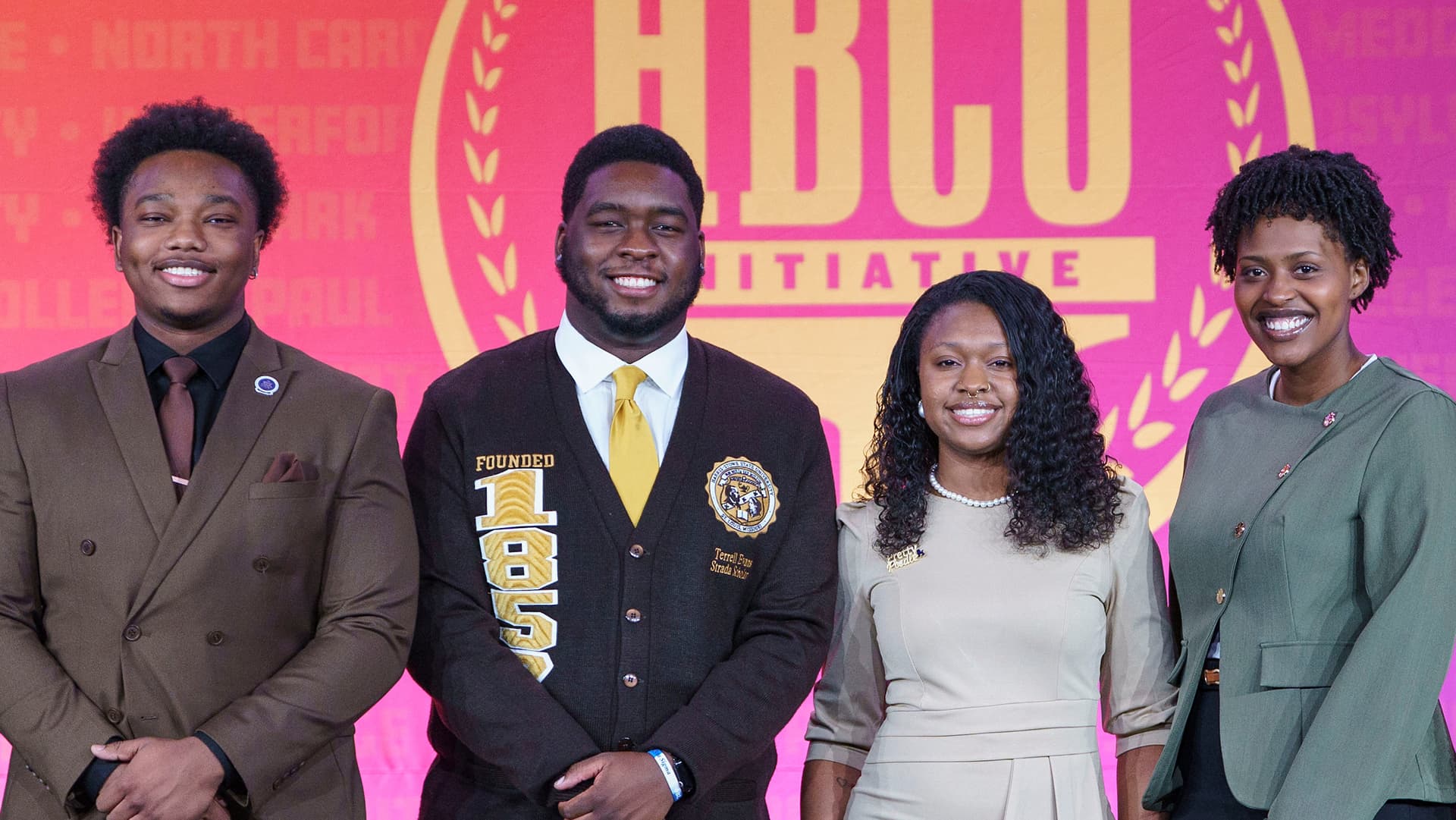
The students’ college education was supported by the Strada HBCU Initiative, which focuses on leadership development and elevating the transformative influence of historically Black colleges and universities. Forty-seven HBCUs partner with Strada as part of the initiative.
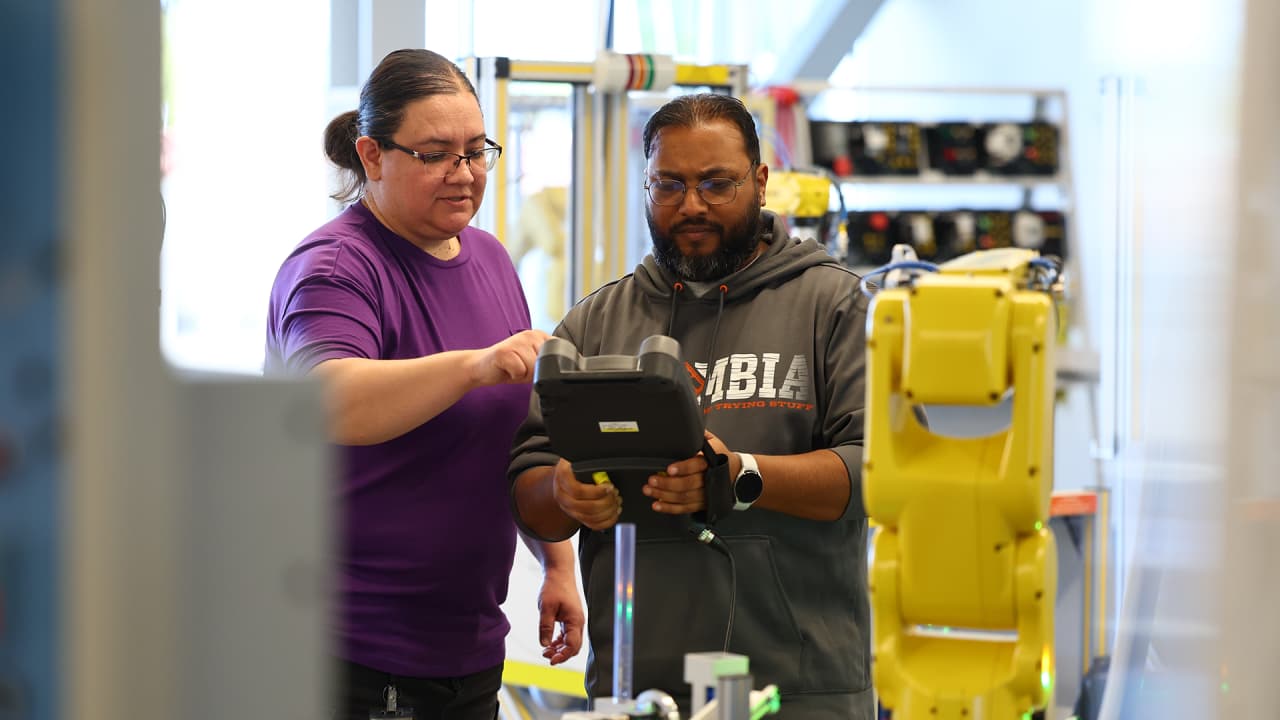
The newly launched Model Workforce Pell Data Framework offers a practical roadmap for a robust data infrastructure aligned across education and workforce systems.
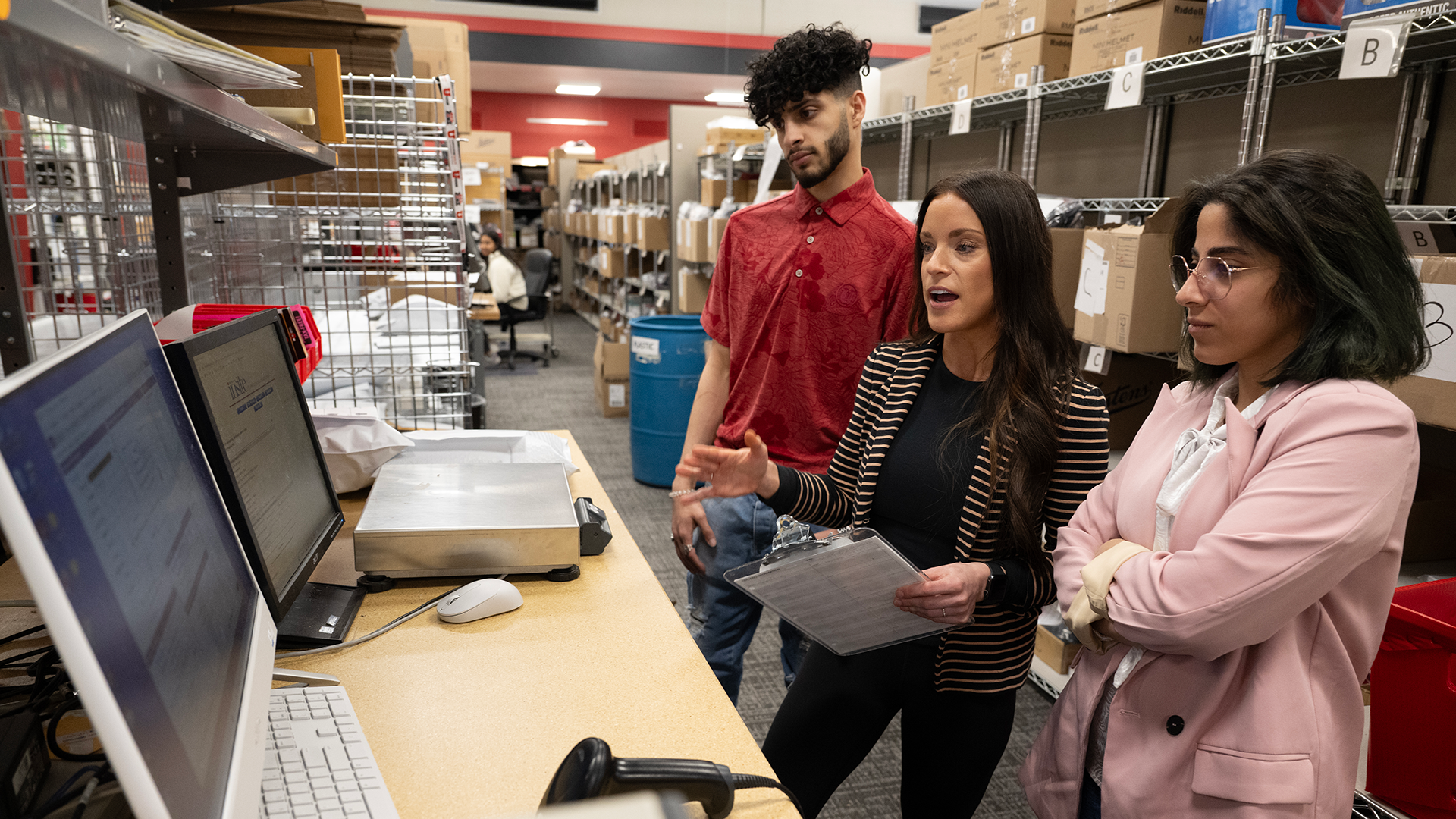
The practice of learning on the job has been around for centuries, but its capacity to prepare learners for the workforce and expose businesses to emerging talent is generating modern excitement.
.jpg)
Videos
%20copy.jpg)
In light of what the State Opportunity Index reveals about progress in individual states and nationally, panelists will highlight practical strategies that all who seek to connect education to opportunity can apply to their work.
