News & Insights
A new Strada grant aims to test and support the effectiveness of employer intermediaries, which can fill a critical gap between the learners and employers.
Work-based learning is linked to better early career outcomes, including higher earnings and greater likelihood of securing college-level employment. As part of the 2025 State Opportunity Index, states were benchmarked using student-reported participation in at least one of five types of paid work-based learning at public two- and four-year institutions: internships, apprenticeships, co-ops, practica, and undergraduate research experiences.

.jpg)


This report provides actionable guidance for talent acquisition, learning and development, human resources, and workforce strategy leaders. It is designed for employers who already see internships as valuable, but who are seeking clearer frameworks, stronger alignment to business priorities, and more consistent ways to articulate and measure program value.
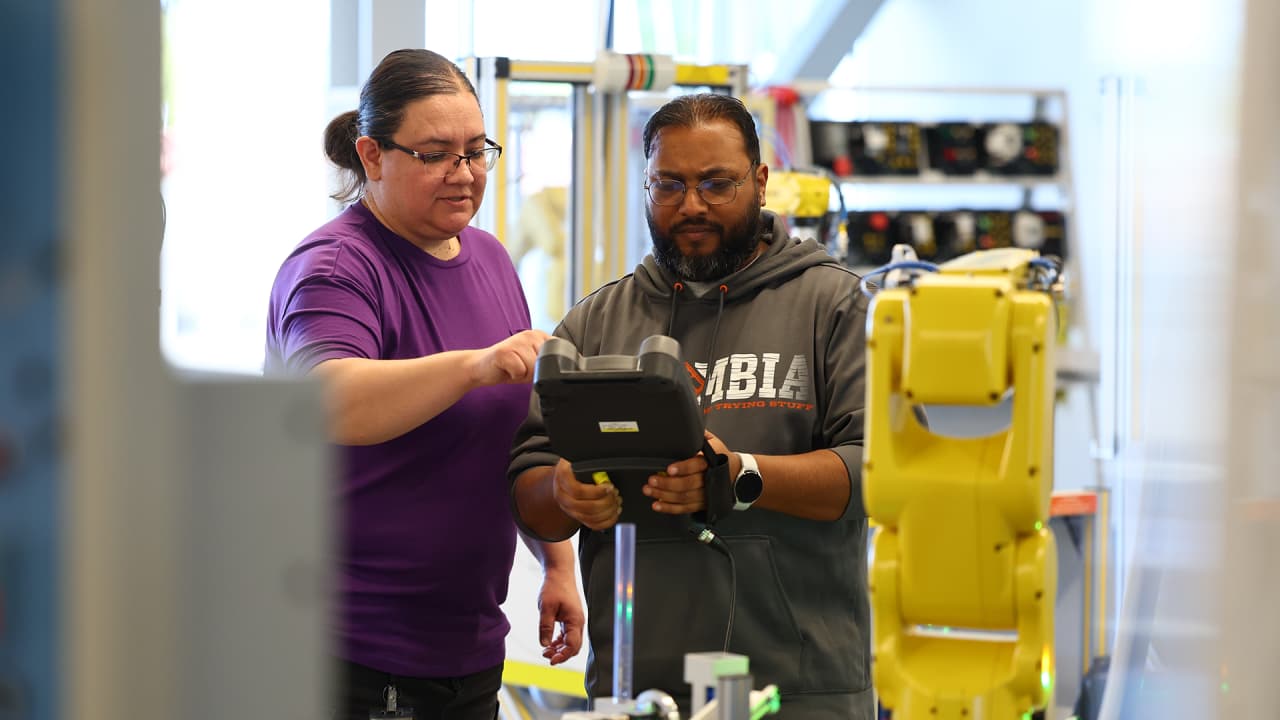
The newly launched Model Workforce Pell Data Framework offers a practical roadmap for a robust data infrastructure aligned across education and workforce systems.

The practice of learning on the job has been around for centuries, but its capacity to prepare learners for the workforce and expose businesses to emerging talent is generating modern excitement.
.jpg)
With dedicated career coaches in 90 percent of its public high schools, the state connects learners with information about education pathways to high-demand, high-wage jobs.

The Framework for Effective Employer Intermediaries defines employer intermediaries not by organization type but rather by the functions they perform to help employers design, implement, and scale work-based learning programs.

For January’s National Mentoring Month, Strada staff reflected on how mentors in all their forms have shaped our journeys as students and professionals.

Large-scale systems-level change requires sustained attention and dedication, so when Strada looks back at progress made over the past year, we are inspired by moments that point toward a future in which every person — no matter where they start — can envision a way ahead that is filled with opportunity.

The Principles identify essential strategies for supporting students through quality education-to-career guidance as they transition from education to employment.

Measuring state progress in connecting education with opportunity.
.jpg)
Home to one of the nation’s leading longitudinal data systems, Minnesota’s publicly available dashboards are designed to help policymakers and students alike.

The recent enactment of Workforce Pell grants for short-term, occupational training highlights the need to address the question of whether noncredit occupational training pays off for students.
Try a different search term or refine your filter selections.
Stories

The students’ college education was supported by the Strada HBCU Initiative, which focuses on leadership development and elevating the transformative influence of historically Black colleges and universities. Forty-seven HBCUs partner with Strada as part of the initiative.
The newly launched Model Workforce Pell Data Framework offers a practical roadmap for a robust data infrastructure aligned across education and workforce systems.
The practice of learning on the job has been around for centuries, but its capacity to prepare learners for the workforce and expose businesses to emerging talent is generating modern excitement.
Videos
%20copy.jpg)
In light of what the State Opportunity Index reveals about progress in individual states and nationally, panelists will highlight practical strategies that all who seek to connect education to opportunity can apply to their work.
