Beyond Completion Challenge
.avif)
In partnership with the Taskforce on Higher Education and Opportunity, Strada in 2021 launched the $10 million Beyond Completion Challenge to support postsecondary institutions to identify and expand new solutions that will improve career and life opportunities for more students. The Beyond Completion Challenge, which officially ended in 2024, had two phases.
Phase 2 grants
Grants focused on scaling and evaluating promising initiatives over a three-year grant cycle:
ASU expanded its Work+ program, which also received Strada funding in the first phase of the Beyond Completion Challenge. The program uses mentorship, peer feedback, and educational programming to reshape the work experience of students directly employed by the university. Work+ supplements existing student employment and increases learners’ career readiness. Additionally, the grant supported the launch of Work+ pilot programs at more than 30 two- and four-year institutions across the country, with the potential to reach tens of thousands of additional working learners. The Work+Collective website houses a collection of national research on student employment and serves as a hub for all Work + Collective institutional partners interested in redesigning student employment on their campuses.
Rio Salado Community College expanded its Custom Academic Readiness and Essential Employment Reskilling program, or CAREER, which helps learners seeking basic literacy, GED test preparation, workforce preparation, and career training to build their academic and employment skills. By leveraging technology and a tailored coaching model, Rio continues to increase access and improve college and career navigation services for over 5,000 adult learners, leading to students earning more industry credentials, completing more certificate and degree programs, with a goal of improving post-completion employment and earnings.
The University of Texas System is expanding the systemwide Texas Credentials for the Future initiative, which launched with Strada funding in the first phase of the Beyond Completion Challenge. This initiative infuses career readiness into the undergraduate curriculum by including relevant industry microcredentials and skills badges at no additional cost to students. The initiative initially focused on students pursuing fields with first job and employment earnings lower than their peers completing other majors, and now has expanded to make the credentials available to students at all UT system campuses.
The University of Utah launched Learn + Earn to challenge the binary assumption that individuals must choose between working and pursuing their education and to demonstrate that working while learning can enhance the educational experience and outcomes for learners. Students enrolled in the program work on-campus jobs often aligned with their future career interests — including at the university’s hospital. Alongside their campus employment, students also participate in tailored career and professional training, preparing them for future employment success.
Phase 1 grants
Our initial innovation grants were awarded to 15 institutions and fall into four categories:
SNHU expanded the online delivery of competency-based and course-based education programs in the health professions. The university partnered with health care systems and clinics to provide the clinical elements of the education experience, while the online division developed and delivered the academic curriculum. Grant funds supported partnership building, impact assessment, staff capacity, and consulting services.
In partnership with Google Cloud and Mayo Clinic, NXT GEN MED is a year-round, 21/2 year undergraduate degree program that prepares diverse students for meaningful careers in the high-demand sector of health care. The university estimates the program will save students an average of $26,000 in educational costs. Grant funds supported faculty development, assessment and project management, and the work-based learning activities of internship, mentorship, and transition to employment.
Through the Texas Credentials for the Future initiative, UT System academic institutions redesigned undergraduate degree experiences to incorporate relevant, industry-recognized micro-credentials and skills badges (e.g., Google Professional Certificates) into the curriculum and co-curriculum to help produce graduates with the skills most needed by Texas employers. The initiative focused on students in majors that typically lead to lower salaries and enrolled a disproportionate number of UT undergraduate students of color. Grant funds supported eight institutions within the system as they incorporated micro-credentials into at least two degree programs at each institution and shared best practices and lessons learned.
ASU scaled Work+, a recently piloted institutional initiative reshaping the employment experiences of working learners across the university. Through intentionally designed mentorship, student reflections, peer feedback, and educational programming, Work+ supplemented existing student employment opportunities to help working learners develop their sense of identity, agency, and purpose, as well as to enhance workforce preparedness. ASU partnered with Education at Work to expand this initiative to a major off-campus employer. Grant funds supported technology and digital asset development, stipends, and administrative costs.
The College-to-Career program out of the National Institute for Student Success at Georgia State leveraged new, scalable technologies (including data scraping tools and job skills tagging) to equip students from diverse backgrounds with the technical and professional knowledge they need to successfully transition into a competitive global workforce. The program initially served students at Georgia State’s six campuses, but has the potential to serve additional partner institutions.
Designing for Equity in Career Outcomes developed proofs of concept for scalable strategies that effectively expand career support while equitably increasing the number of students who can complete an internship during their sophomore or junior year. The initiative included expanded access to online career tools, peer coaching, design project internships, and summer internship scholarships. Grant funds supported student wages, scholarships, and cost-of-living awards, and licenses for online training tools.
The University of Pittsburgh integrated data-informed career readiness strategies into existing co-curricular programs, including the University of Pittsburgh Provost Academy, Pitt Success, and Pell Match programs, to address documented racial and socioeconomic disparities in Pitt graduates’ employment outcomes. The university also built career development strategies into the curriculum and into professional development for faculty and staff.
Georgia Tech’s Office of Minority Educational Development expanded its efforts to improve the institute’s outcomes for traditionally underrepresented students. Collaborating with HBCUs and community partner schools, Georgia Tech expanded programs focused on diversity transfer pathway recruitment and retention. Additionally, Georgia Tech launched a diversity innovation program, and enhanced its career pathway program. Grant funds supported peer coaches and leaders, program housing and travel, training, resources, and study-abroad stipends.
The Creative Careers Accelerator is an innovative six-week program when teams of undergraduate students pursuing creative careers will work with industry partner organizations to solve real-world problems. The program focused on engaging students from underrepresented communities, as well as those who have demonstrated financial need, are first-generation college students, and/or those who face the largest barriers to entry and success in their chosen fields of study. Grant funds supported stipends, child care, a career readiness bootcamp, networking event, professional attire, supplies, and administrative support.
Connecting Carolina’s Covenant Scholars coordinates targeted career preparation experiences at the university, curated networks of professional advisors, successful alumni and friends, local corporate and industry partners, as well as financial and human resources to enable Carolina Covenant Scholars to successfully pursue and secure competitive careers in the post-pandemic economy. Grant funds supported a range of summer career development experiences for students engaged in the new Covenant Career Accelerator Program under the Connecting Carolina’s Covenant Scholars initiative as well as measurement and evaluation.
The University of Oregon created a new six-month, intensive, cohort-based program for students of color and low-income students. Ducks RISE empowers students for career success through research, internships, and student experiences including a hybrid career class, tailored connections to networks, workshops and professional development opportunities, coaching and mentoring, and access to internships, leadership, and research experiences. Grant funds, matched dollar for dollar by the university, were used to support programming, direct student aid, and administrative capacity.
Virginia Tech expanded the university’s Presidential Scholars scholarship and student support program to reach more students from low-income households. The university also added research, project-based work, and paid internships to the program to facilitate student success in transition to the workforce. Grant funds, matched dollar for dollar by the institution, supported an additional 72 Presidential Scholars and expanded workforce learning opportunities.
The CUNY Alumni/ae Activation Initiative leveraged the largely untapped CUNY alumni network and employer contacts to improve postgraduation outcomes for students of color and students from low-income backgrounds. The initiative supported campus alumni directors in developing and executing a strategic plan to build alumni engagement and deployment infrastructure with the power to improve student career outcomes through professional networking, career exploration, teaching, and mentoring. Grant funds supported personnel, supporting software, and events.
With Project ARROW: Adults Re-engaging and Realizing Opportunities in the Workforce, North Carolina A&T focused on the barriers to success for adult learners from minority communities through building institutional data capacity and structures. The findings from this inquiry will inform institutions on best practices for promoting degree completion and career preparedness for these learners, particularly at HBCUs. Grant funding supported staff capacity to collect qualitative and quantitative data, analyze patterns, and disseminate findings.
Career Up is a new program designed to extend and enhance NOVA’s career services capabilities, personalized to meet the unique needs of first-generation community college students. The 15-week intensive program included four components: personal attributes, career exploration, planning, and job preparation. NOVA also developed a Career Awareness Toolkit to empower faculty and staff with career-related resources. Grant funds supported student supplies, scholarships, webinars and training materials, and personnel.
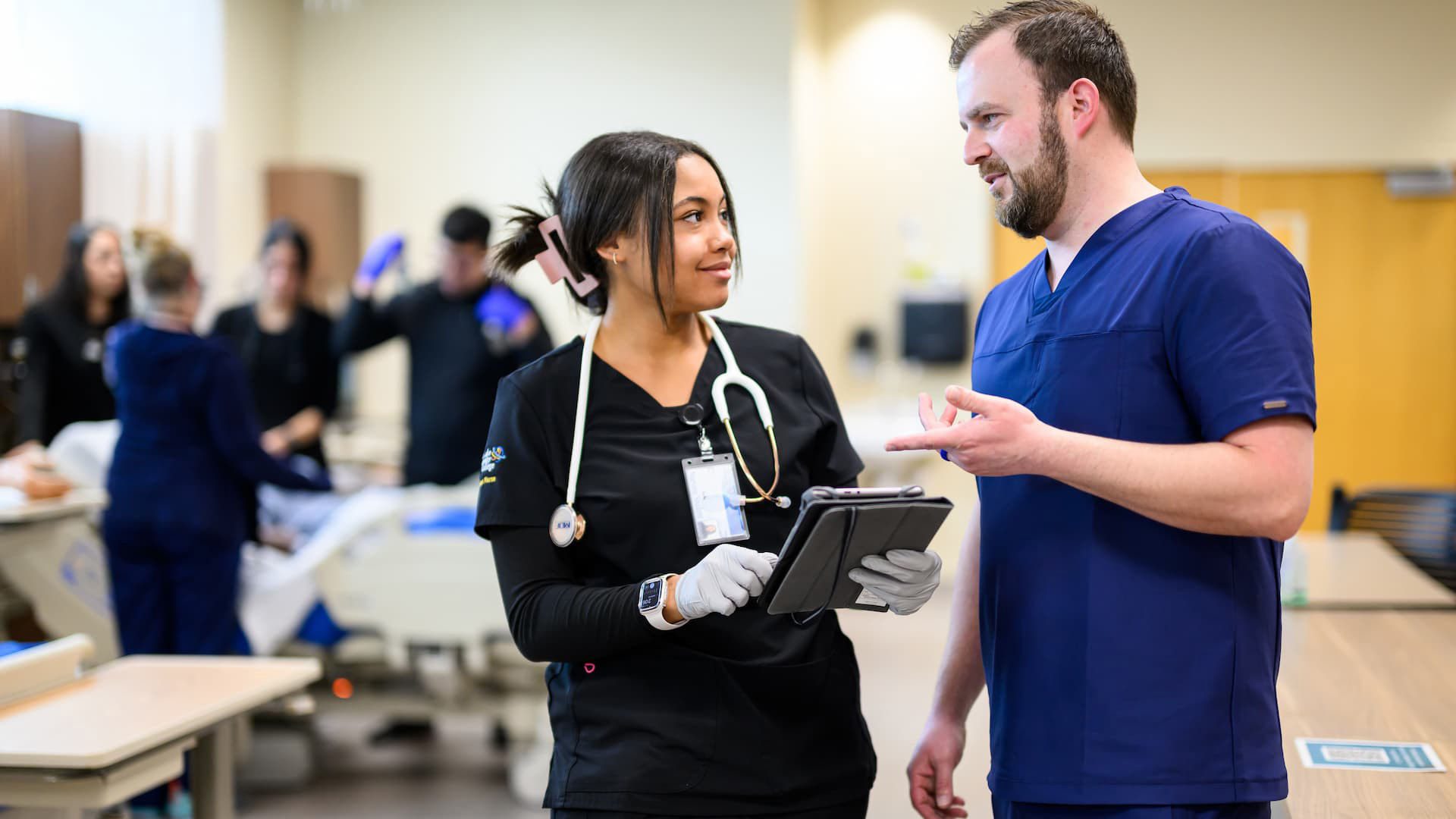
The analyses in this report explore variations in experiences across student populations and fields of study; the sources and channels through which students experience education-to-career guidance; and how quality coaching experiences are linked to student perceptions about other aspects of their education.

By providing insight into employment opportunities, earnings, and workforce demand, labor market information helps students understand how educational pathways most consistently connect to career outcomes. This qualitative research is based on in-depth qualitative interviews with career services professionals and undergraduate students.

These five resources were developed to provide a summary of the research behind each of the five Principles for Quality Education-to-Career Guidance.
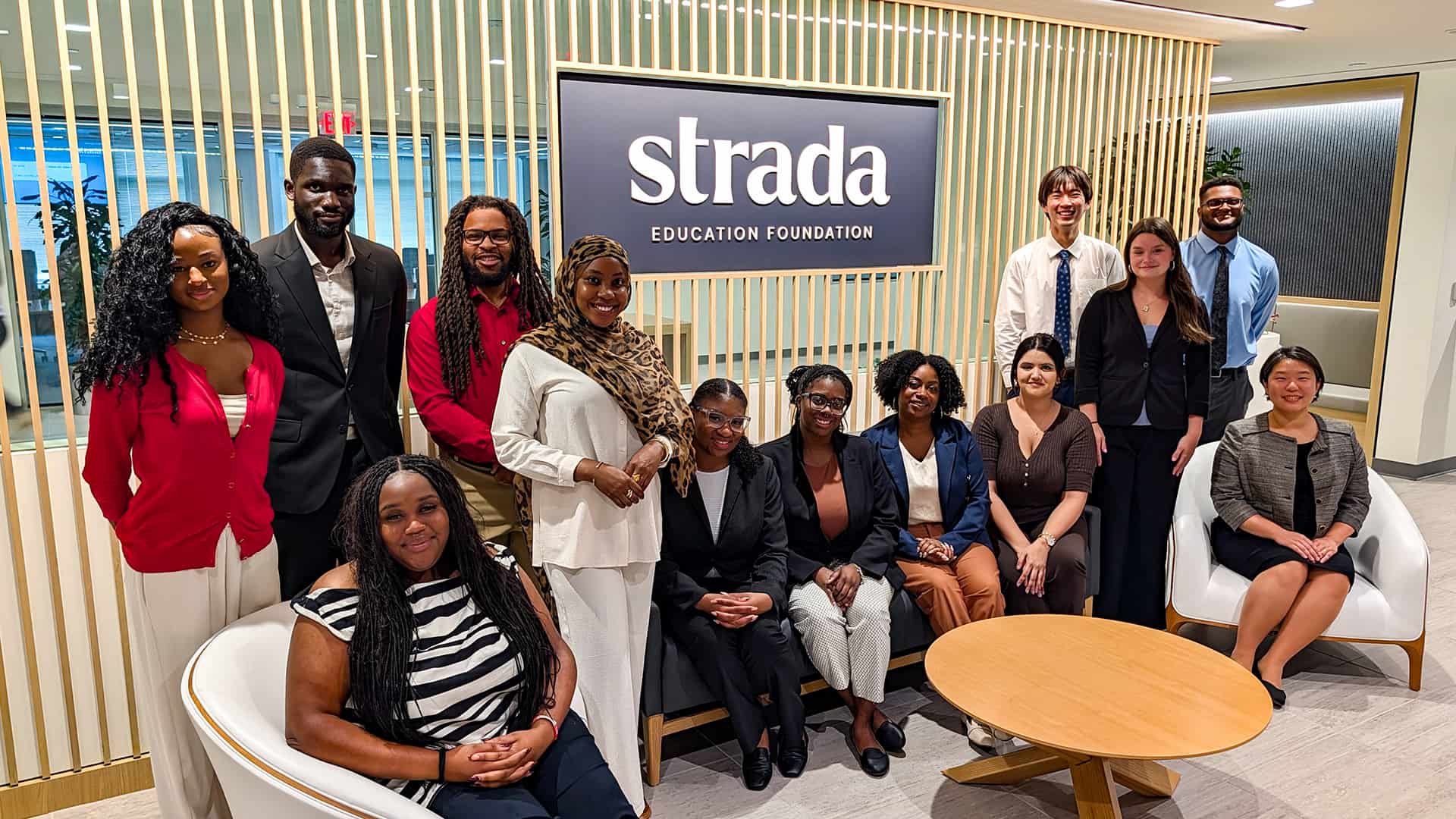
The summer 2026 Strada Education Foundation interns were exposed to the work of a national nonprofit while building skills for their future careers.
.jpg)
At a State Higher Education Executive Officers Association convening in Washington, D.C., delegations of state leaders exchanged policy developments on work-based learning evidence and solutions.

Where does a state’s college-educated talent come from? Where do new grads go after commencement is over? A visual story about the migration patterns of working-age adults with college degrees.

A new Strada Institute for the Future of Work report shows how different states build college-educated talent pools, either by relying on their own high schools and universities or attracting talent from out of state.

Talent in Motion investigates interstate migration patterns of working-age adults with a bachelor’s or graduate degree and examines how these patterns differ by state, type of institution attended, level of educational attainment, major, occupation, and worker characteristics.

Individuals need control over their postsecondary education and employment records to navigate lifelong pathways across multiple educational experiences and careers.

The debate over whether college is worth it tends to swing between two familiar claims: that bachelor’s degrees lead to strong earnings gains and that too many graduates struggle to find good jobs. But how can both be true? These contradictory claims exist because the benefits of higher education are usually calculated either on average or for the median student.
Founded in 2018 by universities in North America and Europe, DCC was created to build a shared infrastructure for issuing, storing, displaying, and verifying digital credentials.
A new Strada grant aims to test and support the effectiveness of employer intermediaries, which can fill a critical gap between the learners and employers.
%20copy.jpg)
In light of what the State Opportunity Index reveals about progress in individual states and nationally, panelists will highlight practical strategies that all who seek to connect education to opportunity can apply to their work.
.jpg)
In this webinar, an expert panel will unpack Strada Institute for the Future of Work’s latest employer survey report, "Entry-Level Hiring in the AI Era: What Employers Are Thinking (and Doing)."
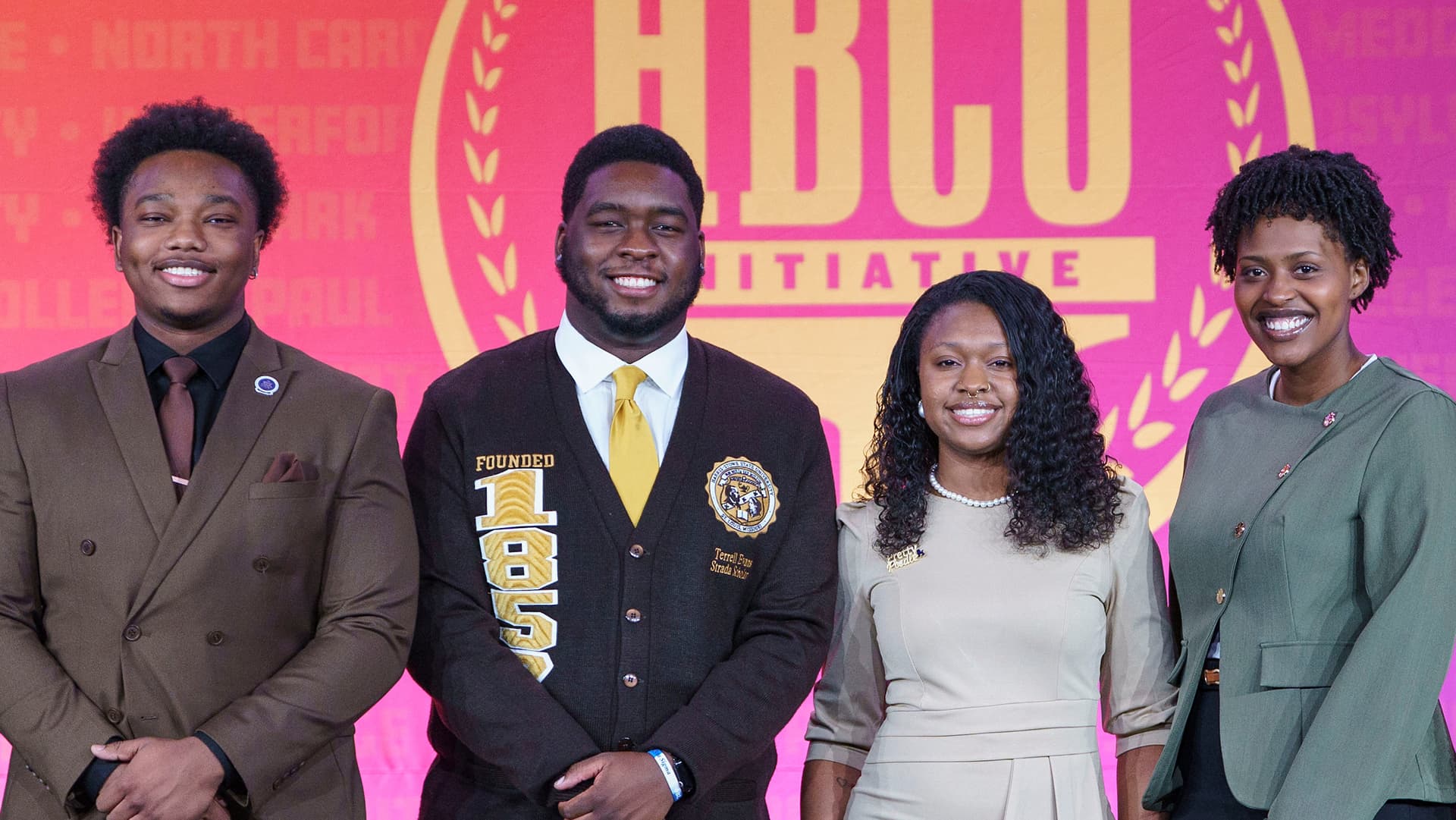
The students’ college education was supported by the Strada HBCU Initiative, which focuses on leadership development and elevating the transformative influence of historically Black colleges and universities. Forty-seven HBCUs partner with Strada as part of the initiative.
.jpg)
Work-based learning is linked to better early career outcomes, including higher earnings and greater likelihood of securing college-level employment. As part of the 2025 State Opportunity Index, states were benchmarked using student-reported participation in at least one of five types of paid work-based learning at public two- and four-year institutions: internships, apprenticeships, co-ops, practica, and undergraduate research experiences.

To understand better how entry-level hiring is evolving in the early AI era Strada Institute for the Future of Work surveyed nearly 1,500 executives and senior talent leaders across the country.

As Strada’s eight-year investment in historically Black colleges and universities reaches its halfway point, the partner institutions and students involved reflect on how it helps students connect their education to economic opportunity.

In partnership with Strada, an action group of enrollment management leaders, financial aid administrators, admissions professionals, and student advocates from across higher education came together in 2025 to develop the Student-Centered Enrollment Management Principles.

Throughout 2025, enrollment management leaders, financial aid administrators, admissions professionals, and student advocates from across higher education came together to develop shared Principles to rethink institutional enrollment management practices grounded in price transparency.

This report shows that a large part of the uneasiness students and families feel stems from an inability to determine whether postsecondary education is actually affordable. And while providing more clarity and greater transparency will help address some of the confusion, rebuilding trust may also require significant structural reforms around price modeling, financial aid packaging, and communications.
.jpg)
In partnership with Strada, an action group of intermediary organization leaders, researchers, and policy experts came together in 2025 to define and guide the practice of employer intermediaries in order to grow work-based learning opportunities.
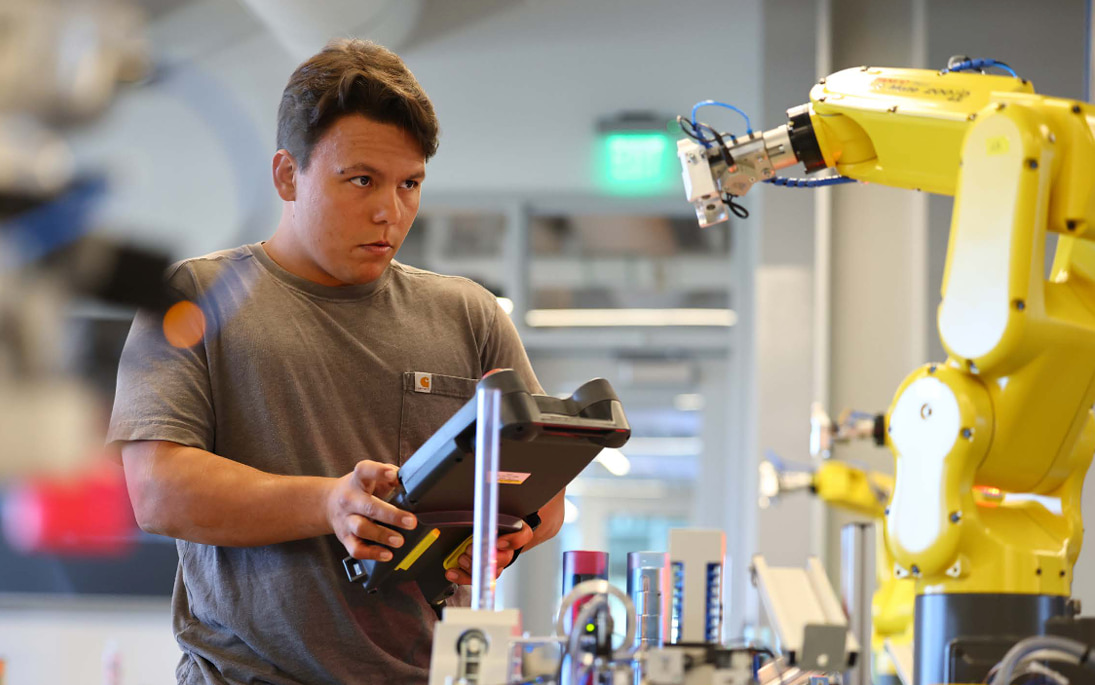
This report provides actionable guidance for talent acquisition, learning and development, human resources, and workforce strategy leaders. It is designed for employers who already see internships as valuable, but who are seeking clearer frameworks, stronger alignment to business priorities, and more consistent ways to articulate and measure program value.
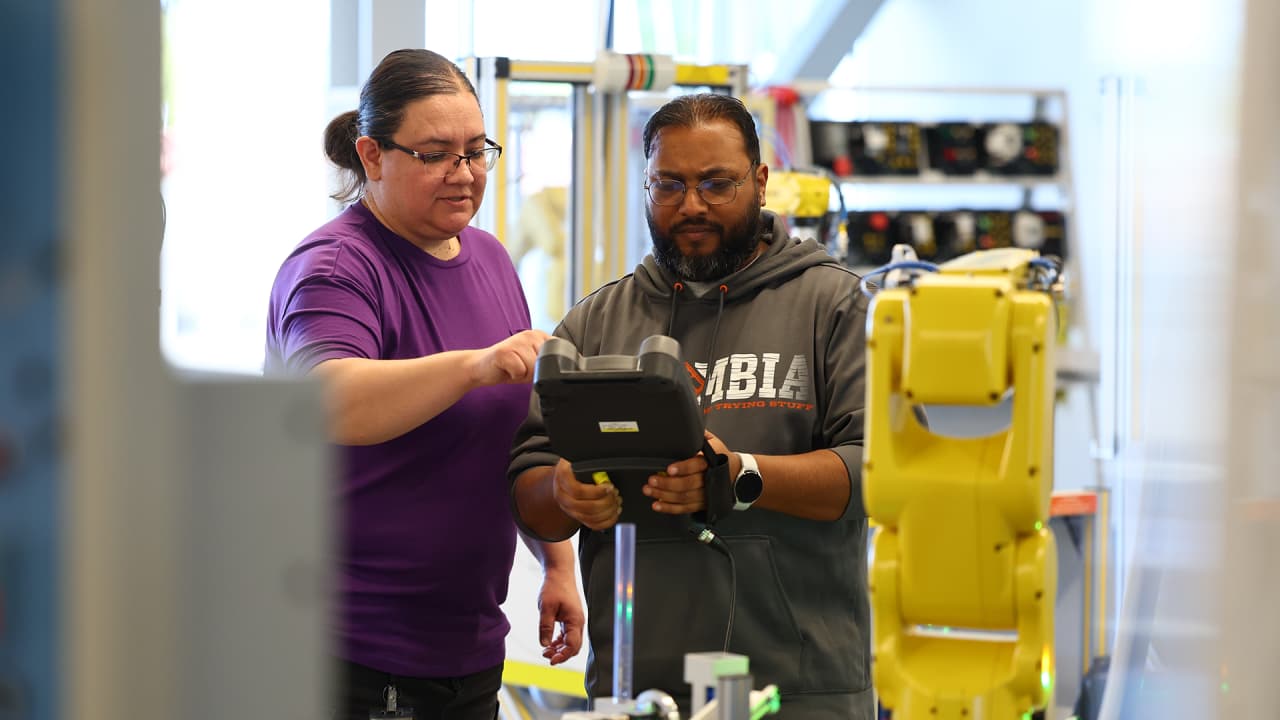
The newly launched Model Workforce Pell Data Framework offers a practical roadmap for a robust data infrastructure aligned across education and workforce systems.
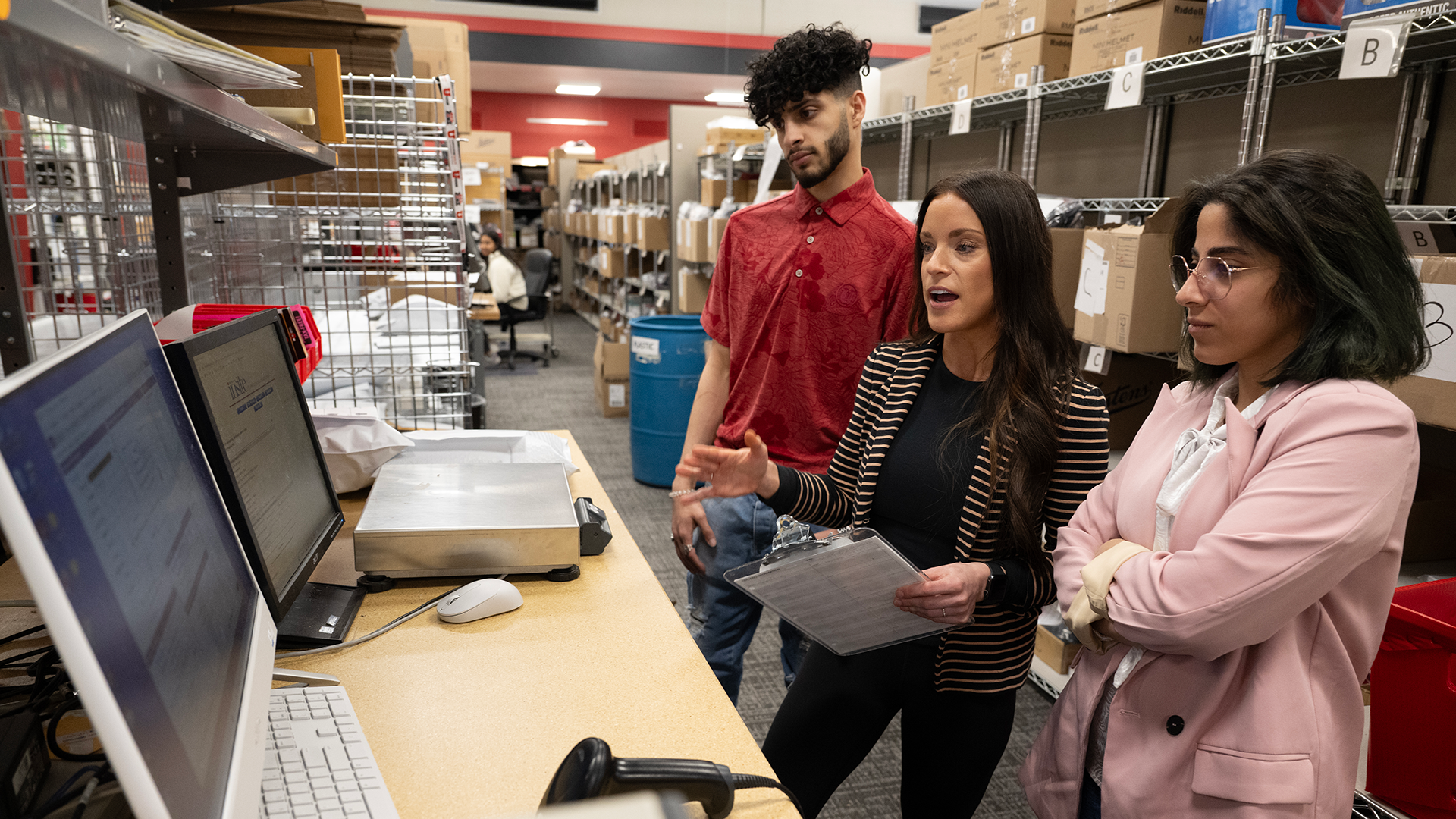
The practice of learning on the job has been around for centuries, but its capacity to prepare learners for the workforce and expose businesses to emerging talent is generating modern excitement.
.jpg)
With dedicated career coaches in 90 percent of its public high schools, the state connects learners with information about education pathways to high-demand, high-wage jobs.
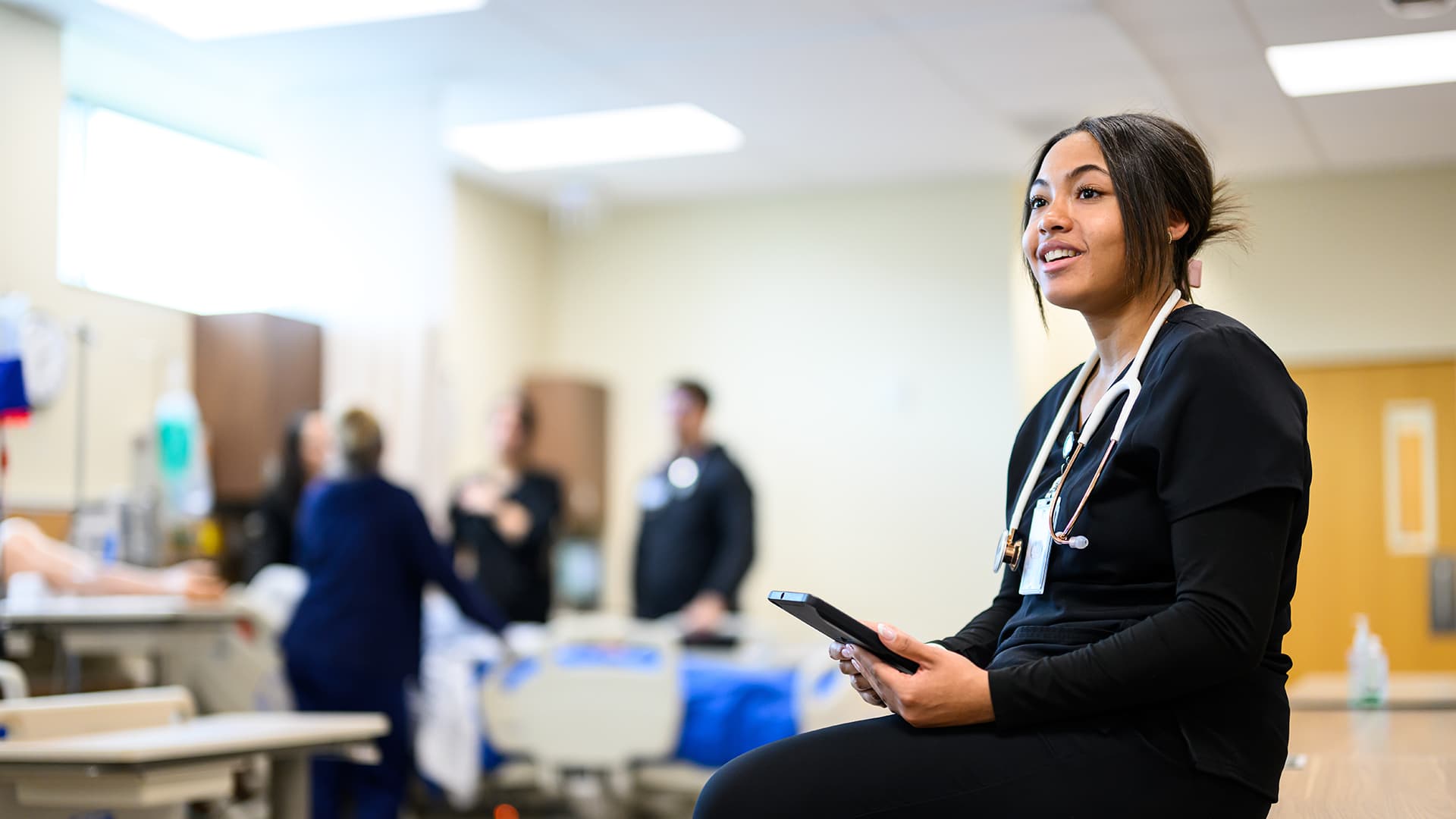
The Framework for Effective Employer Intermediaries defines employer intermediaries not by organization type but rather by the functions they perform to help employers design, implement, and scale work-based learning programs.

For January’s National Mentoring Month, Strada staff reflected on how mentors in all their forms have shaped our journeys as students and professionals.

Large-scale systems-level change requires sustained attention and dedication, so when Strada looks back at progress made over the past year, we are inspired by moments that point toward a future in which every person — no matter where they start — can envision a way ahead that is filled with opportunity.

The Principles identify essential strategies for supporting students through quality education-to-career guidance as they transition from education to employment.

.jpg)
Home to one of the nation’s leading longitudinal data systems, Minnesota’s publicly available dashboards are designed to help policymakers and students alike.

The recent enactment of Workforce Pell grants for short-term, occupational training highlights the need to address the question of whether noncredit occupational training pays off for students.
While overseeing the organization’s portfolio of affiliates, Cobert also leads multiyear partnerships with mission-aligned nonprofit organizations.

This letter is a response to a Request for Information (RFI), “Increasing College Cost and Value Transparency for Students and Families.”

More than 300 education and industry leaders from 36 U.S. states came together to learn from one another about how states are connecting education after high school with economic opportunity.
The 2025 State Opportunity Index Looks at Achievement After Graduation
.jpg)
The following organizations have endorsed the Principles for Quality Education-to-Career Guidance. We asked these organizations: How can the Guiding Principles support your work? Here are some of their responses.

A practice called tuition discounting has become a key tactic for public institutions seeking to enroll students and generate revenue. It can leave students, families, and the general public confused about what college actually costs.
.jpg)
‘For many, having someone in your corner who knows how to translate dreams into plans can make all the difference.’

Over the course of her career, Strada Executive Vice President Gabriella Gómez has focused on how to use federal and state policy to provide better access to opportunities in education.
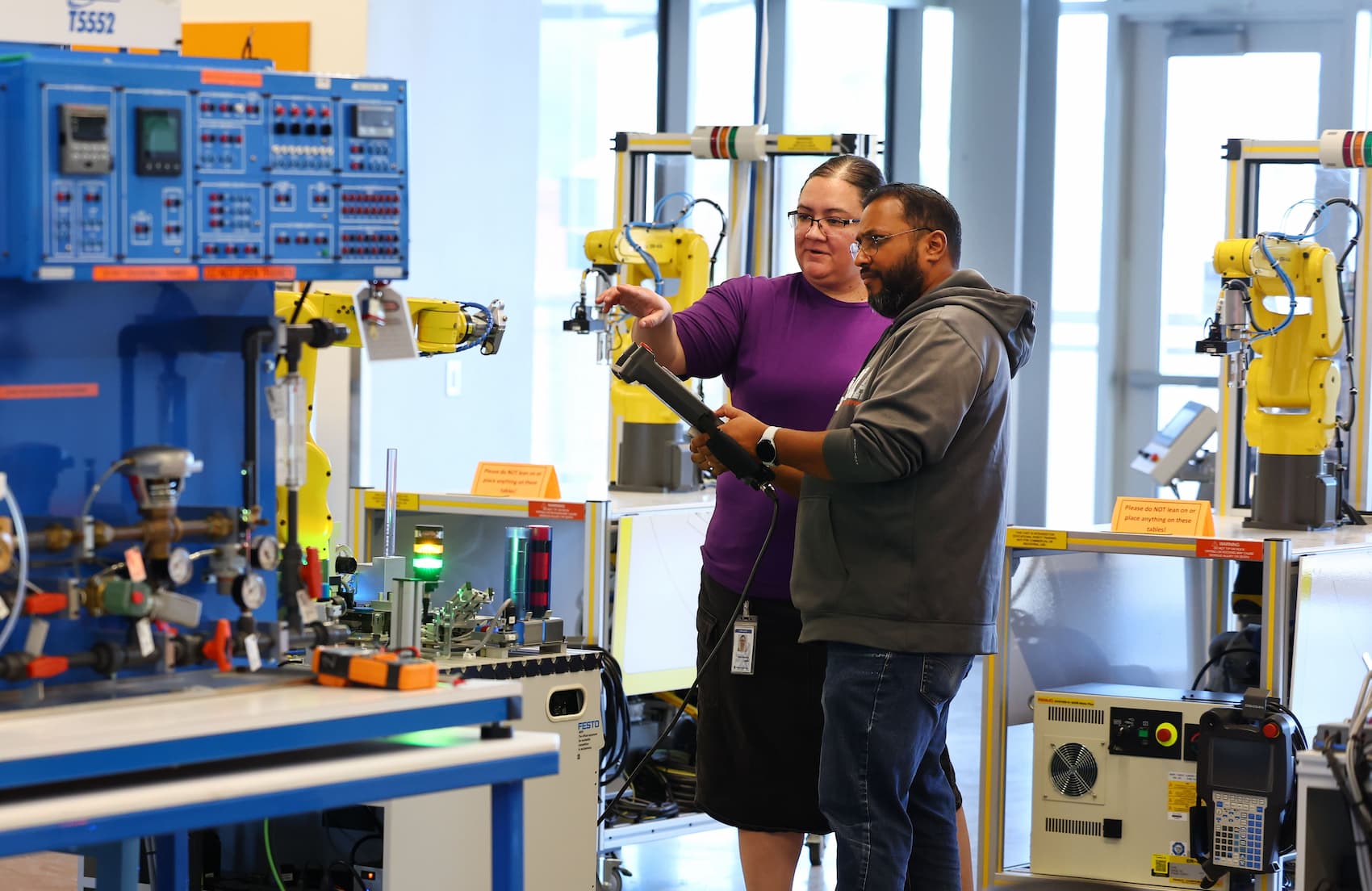
A recently released Strada report analyzed survey data from seniors enrolled at public four-year universities and colleges about a portion of the universe of work-based learning experiences.
.jpg)
The components are industry leaders that have the skilled workers they need, education and training providers that understand employers’ needs, and strong collaboration between those employers and educators.

One of the most promising strategies for helping students connect their education to career opportunities is giving students the opportunity to participate in off-campus learning experiences that are aligned with their field of study. Unfortunately, these work-based learning experiences remain too scarce.
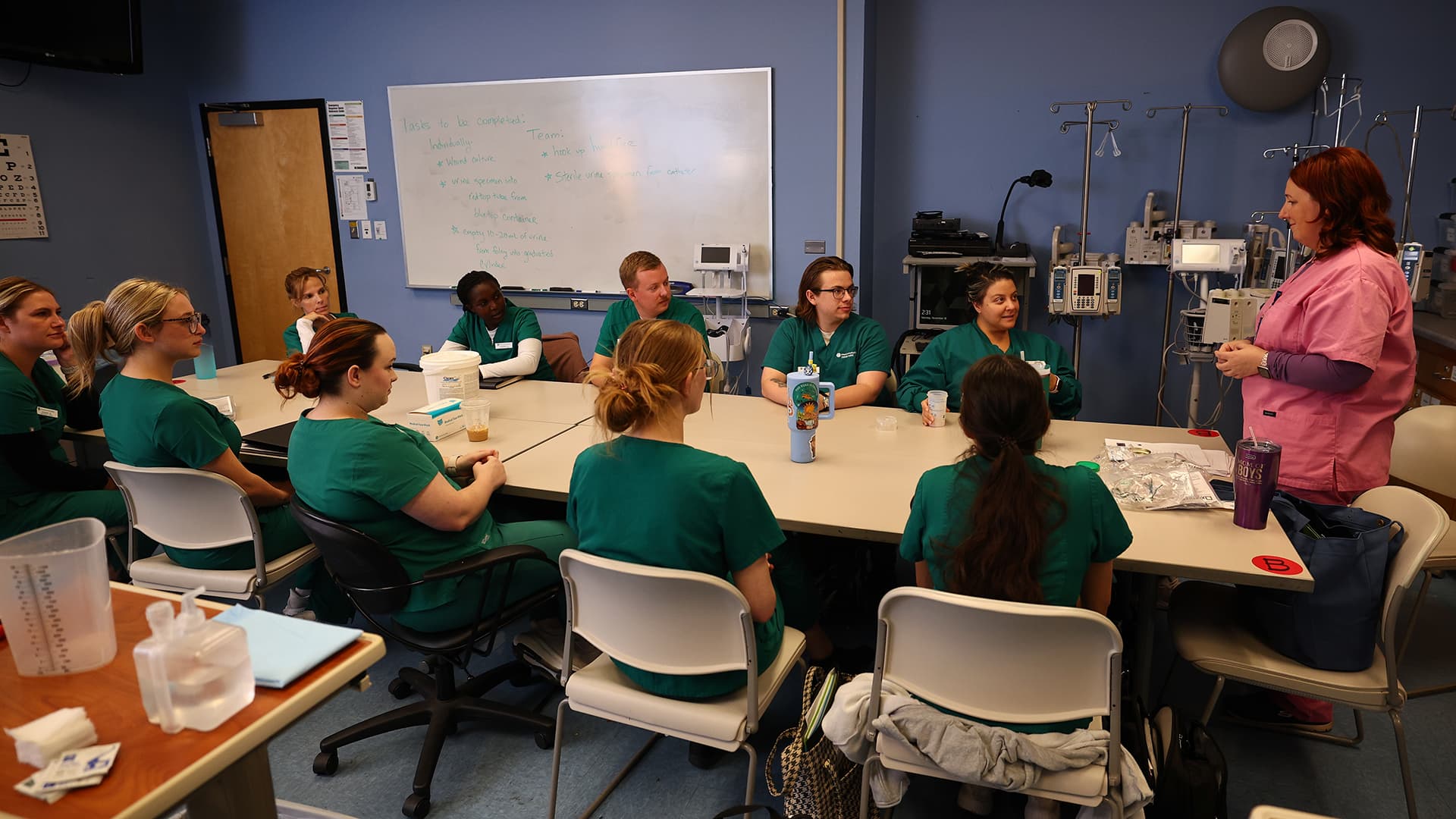
For learners, work-based learning improves access to a network, skills, and real-life work scenarios. For employers, it lowers the cost to hire and increases retention.

The largest meeting of the Postsecondary Employment Outcomes Coalition brought together postsecondary leaders from colleges, universities, state agencies, and other institutions.

A new Roadtrip Nation documentary, “Rethinking Higher Ed,” asks: What is required to ensure the path provides the most value for each person? Where do students find guidance as they chose their path? How can we be sure every learner has a guide?

States invest billions of dollars on education and training, but most can’t answer fundamental questions about which programs lead to good jobs and how well programs meet employer needs. By making enhancements to the workforce data they already collect, states could answer these questions and more.

This year the Strada HBCU Initiative celebrates its fourth year — a milestone that includes the graduation of many students in the first cohort of Strada Scholars.

College costs and concerns about affordability are persistent barriers for individuals interested in pursuing an education after high school, with 77 percent of adults believing college is unaffordable and most people significantly overestimating the cost of public institutions, both two-year and four-year.

One year after its release, Strada CEO and President Stephen Moret reflects on what has been learned so far and what to expect in the next iteration.

How a student chooses a college major is often the result of personal factors, such as interests, strengths, or education and career guidance.

Strada CEO and President Stephen Moret testified before the House Committee on Education and Workforce about reauthorizing the nation’s main workforce development legislation — the Workforce Innovation and Opportunity Act, or WIOA.

The senior vice president of HBCU and engagement discusses how a $25 million investment created a community of students who learn from one another while celebrating the legacy of HBCUs.

The longtime insurance brokerage executive and Strada trustee begins his second term as board chair.

The institutions receiving the grants will develop innovative approaches to career services and share their knowledge and experiences with other schools.

In 2025, Strada’s look and brand image will change to reflect our commitment to working with focus, connection, curiosity, agility, and optimism — qualities that will guide us and undergird all our efforts.

Strada is extending an invitation for each institution to participate in the State Opportunity Index survey and to receive confidential and benchmarked results, free of cost.

Hundreds of institutions have come together to provide simple and clear pricing and financial aid information to students and families as part of the College Cost Transparency Initiative.
Cobert, who has extensive public and private sector experience, will oversee the Strada affiliates and relationships with other nonprofits.
.avif)
Even though internships impart a strong labor market advantage that tends to persist after graduation, the nation’s supply of internships has not kept up with demand. A new report provides insights.
.avif)
Strada’s agenda lays out ambitious steps for improving education and employment systems so students realize the economic value of their education and employers have the talent they need to fill jobs.
Guidance in connecting education to a career can make the difference in improving completion and postcompletion outcomes. When grounded in effective practices including proactive outreach and comprehensive support, coaching is associated with improved persistence and graduation rates.

Strada’s report, Quality Coaching, looks at students’ experiences across three elements of quality coaching and we examine the experiences of recent graduates. The report also offers insights to leaders, practitioners, and others seeking to improve students’ career outcomes.

Strada worked closely with state data agencies and higher education executives to identify 10 critical elements that contribute to the capacity of state data systems.

The organization’s chief data ecosystem officer says education-to-employment data help individuals make informed decisions about college and workforce training.

Mentors in Tech, supported by a Strada grant, recruits veterans from the Seattle region’s robust tech industry to mentor students at the area’s small, affordable, open-access colleges.
Ellspermann, Flores, and Williams will provide leadership and support for Strada’s strategic plan, with a goal of creating more effective links between education and employment.

The Building Better Internships report looks at the latest findings from the National Survey of College Internships, a survey developed by the University of Wisconsin-Madison’s Center for Research on College-Workforce Transitions.

Both Robinson and Love will support the foundation’s efforts to conduct research and develop policy solutions.

Through the Arizona State-led Work+Collective, more than a dozen institutions are injecting mentorship and career development skills into students’ employment.
Draeger, who is an expert in federal financial aid systems, will lead the foundation's efforts to make post-high school education less expensive.

The State Opportunity Index was developed to help states build a stronger connection between education after high school and equitable pathways to opportunity so students realize the full value of their education and employers have the workforce they need to fill high-demand jobs.

'Colleges and universities, states, and our country can do more to help prepare students for the critical transition from college to the labor market.’

The report offers a comprehensive picture of how college graduates fare in the job market over their first decade of employment after college.

The gift of time. A recognition of talent. A helping hand. How our mentors helped shape us as people and professionals. A few Strada staff members share their thoughts.
The former executive director of the Virginia Office of Education Economics has expertise with many workforce development topics.

MiraCosta College’s Increase Diversity, Equity, and Advancement in Biotechnology program, funded in part by a grant from Strada, includes a unique partnership between the college and two local biotech employers.

A report indicates both success and the need for improvement on the part of community colleges in meeting students’ varied goals

The community college learning lab and dental clinic is now a newly refurbished space where dental hygiene students refine their technique on mannequins outfitted with realistic incisors, molars, and cuspids. The clinic was remodeled through a partnership with Delta Dental of Rhode Island and supported by a $400,000 grant from Strada Education Foundation.

Applied connections between education and work are increasingly a part of undergraduate education in the United States.
The education policy advocate brings extensive federal experience to shape policy solutions that strengthen pathways to opportunity.

A new and improved Free Application for Federal Student Aid should help more students and their families access money to pay for college, but presents challenges for those who help students complete it.

The credentialing program, supported by a grant from Strada, gives students training that makes them more attractive to prospective employers and graduate schools.
.avif)
Nine University of Texas campuses now offer microcredentials, funded in part from a Strada grant challenge.

A program partially funded by Strada’s Beyond Completion Challenge enables students to earn a valuable Google Career Certificate and take Adobe Certified Professional exams.

The University of Texas System puts programs in place at nine campuses for students to earn additional certificates and skills badges that should be desirable for employers.

To better understand the value community colleges provide to individuals and communities, we need to acknowledge the range of needs they serve.

A new Strada research report indicates that community college attendees have mixed opinions on the value of their education from those institutions.
Reindl, Rigdon, and Valle-Palacios will head newly established teams that will focus on collaboratively shaping policy at the state and federal levels to create pathways to opportunity for more people.

The foundation’s president and CEO and former chancellor of the California Community Colleges explored a Strada report that captures factors that motivated recent alumni to enroll in community college.

Major changes in the Free Application for Federal Student Aid, combined with an expected delay in its release, are combining to intensify the work of spreading the word about the updated form.
The initiative,designed to support aspiring leaders at HBCUs through scholarships and work-based learning opportunities, expands to 50 schools.
The higher ed leader will provide collaborative leadership to help Strada strengthen the link between education and opportunity in America.

A wide range of experiences prepare students for success beyond the completion of their college degree. The evidence for the value of interning on students' future careers is strong.
The recognition, awarded to Strada plus all four organizations that make up Strada Collaborative — CAEL, Education at Work, InsideTrack, and Roadtrip Nation — signals continued prioritization of DEI efforts.
Austin will assume the role permanently after leading Strada’s financial operations through a leadership and strategy transition as interim CFO.

In an era of student enrollment declines, tight labor markets, rising college costs, and a growing lack of confidence in the value of a postsecondary education, community colleges and employers have ample reasons to partner together.

Partnerships between community colleges and employers have the opportunity to address local and regional economic needs through a range of tools, including supporting student success through resources and services, integrating work-based learning, and building career pathways.