News & Insights
The analyses in this report explore variations in experiences across student populations and fields of study; the sources and channels through which students experience education-to-career guidance; and how quality coaching experiences are linked to student perceptions about other aspects of their education.
By providing insight into employment opportunities, earnings, and workforce demand, labor market information helps students understand how educational pathways most consistently connect to career outcomes. This qualitative research is based on in-depth qualitative interviews with career services professionals and undergraduate students.

.jpg)
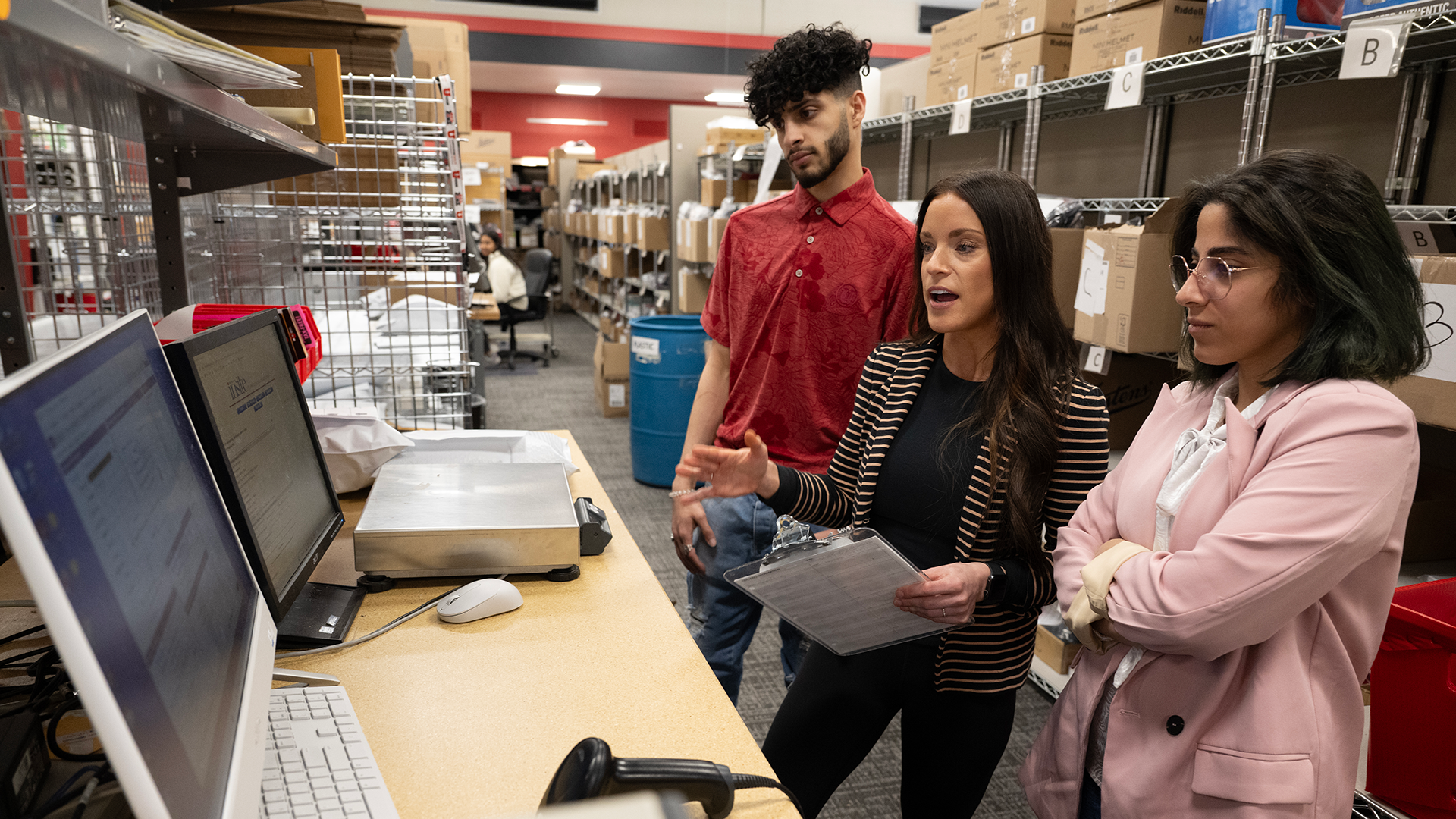
The practice of learning on the job has been around for centuries, but its capacity to prepare learners for the workforce and expose businesses to emerging talent is generating modern excitement.
.jpg)
With dedicated career coaches in 90 percent of its public high schools, the state connects learners with information about education pathways to high-demand, high-wage jobs.
The Framework for Effective Employer Intermediaries defines employer intermediaries not by organization type but rather by the functions they perform to help employers design, implement, and scale work-based learning programs.

For January’s National Mentoring Month, Strada staff reflected on how mentors in all their forms have shaped our journeys as students and professionals.
Large-scale systems-level change requires sustained attention and dedication, so when Strada looks back at progress made over the past year, we are inspired by moments that point toward a future in which every person — no matter where they start — can envision a way ahead that is filled with opportunity.

The Principles identify essential strategies for supporting students through quality education-to-career guidance as they transition from education to employment.

Measuring state progress in connecting education with opportunity.
.jpg)
Home to one of the nation’s leading longitudinal data systems, Minnesota’s publicly available dashboards are designed to help policymakers and students alike.

The recent enactment of Workforce Pell grants for short-term, occupational training highlights the need to address the question of whether noncredit occupational training pays off for students.
While overseeing the organization’s portfolio of affiliates, Cobert also leads multiyear partnerships with mission-aligned nonprofit organizations.

This letter is a response to a Request for Information (RFI), “Increasing College Cost and Value Transparency for Students and Families.”

More than 300 education and industry leaders from 36 U.S. states came together to learn from one another about how states are connecting education after high school with economic opportunity.
Try a different search term or refine your filter selections.
Stories
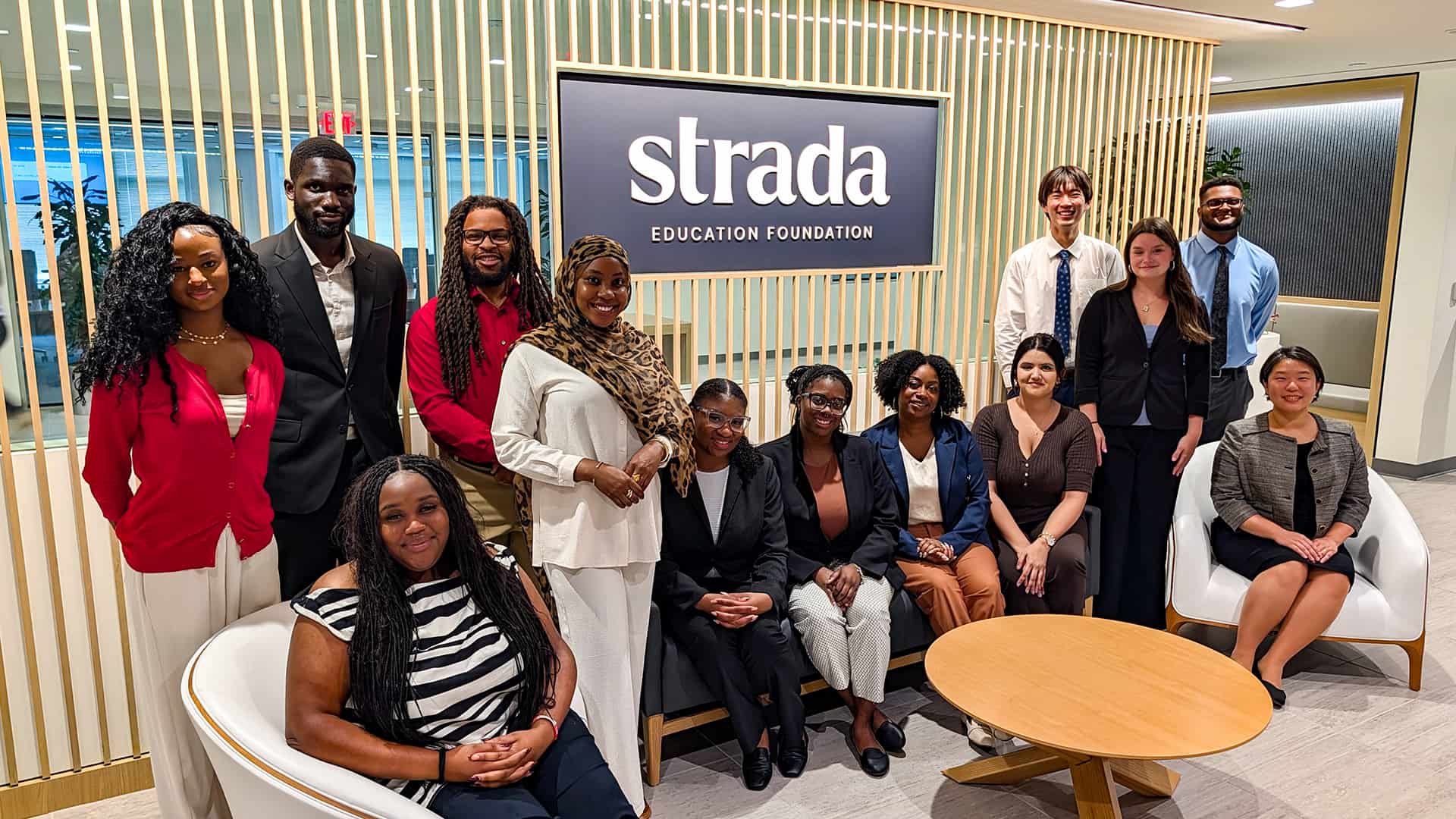
The summer 2026 Strada Education Foundation interns were exposed to the work of a national nonprofit while building skills for their future careers.
At a State Higher Education Executive Officers Association convening in Washington, D.C., delegations of state leaders exchanged policy developments on work-based learning evidence and solutions.

Where does a state’s college-educated talent come from? Where do new grads go after commencement is over? A visual story about the migration patterns of working-age adults with college degrees.

Videos
%20copy.jpg)
In light of what the State Opportunity Index reveals about progress in individual states and nationally, panelists will highlight practical strategies that all who seek to connect education to opportunity can apply to their work.
